Written scope
Itemized work plan before we start
When a nor'easter tears shingles off your roof or a summer downpour floods your basement, storm damage restoration Chicopee MA gets your home dry and safe again. We handle emergency tarping, water extraction, structural drying, and full repairs for homeowners and businesses across Hampden County. Our crews arrive with moisture meters and thermal cameras, document everything for your insurance claim, and work until the job is done right.
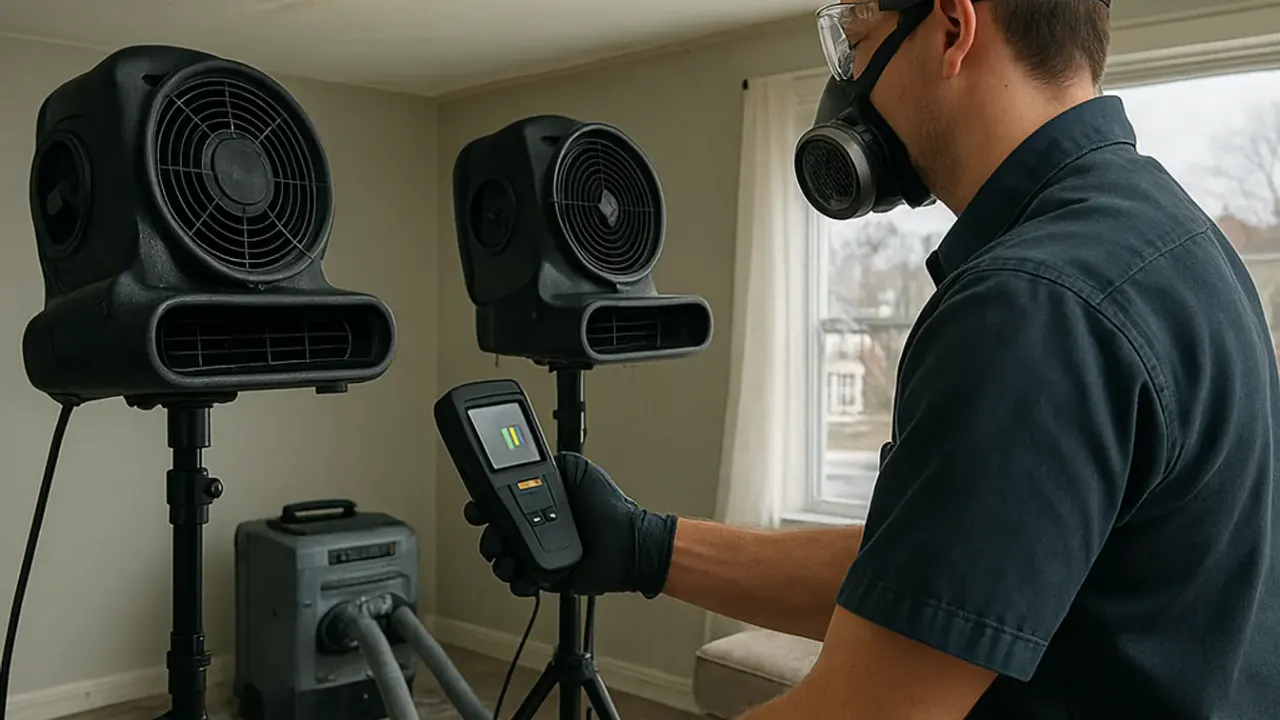
Every storm job is different, but most include the same core scope. Here is what we handle. If your job needs something outside this list, we tell you upfront and include it in the written scope before work starts.
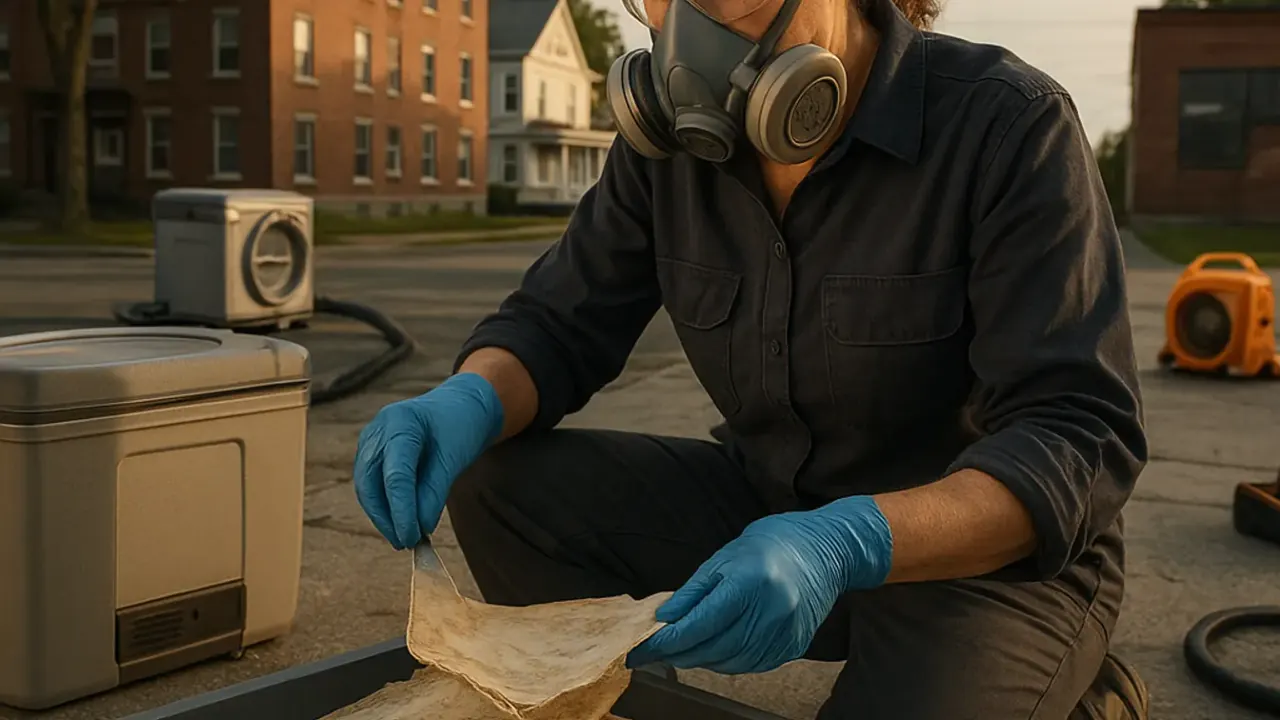
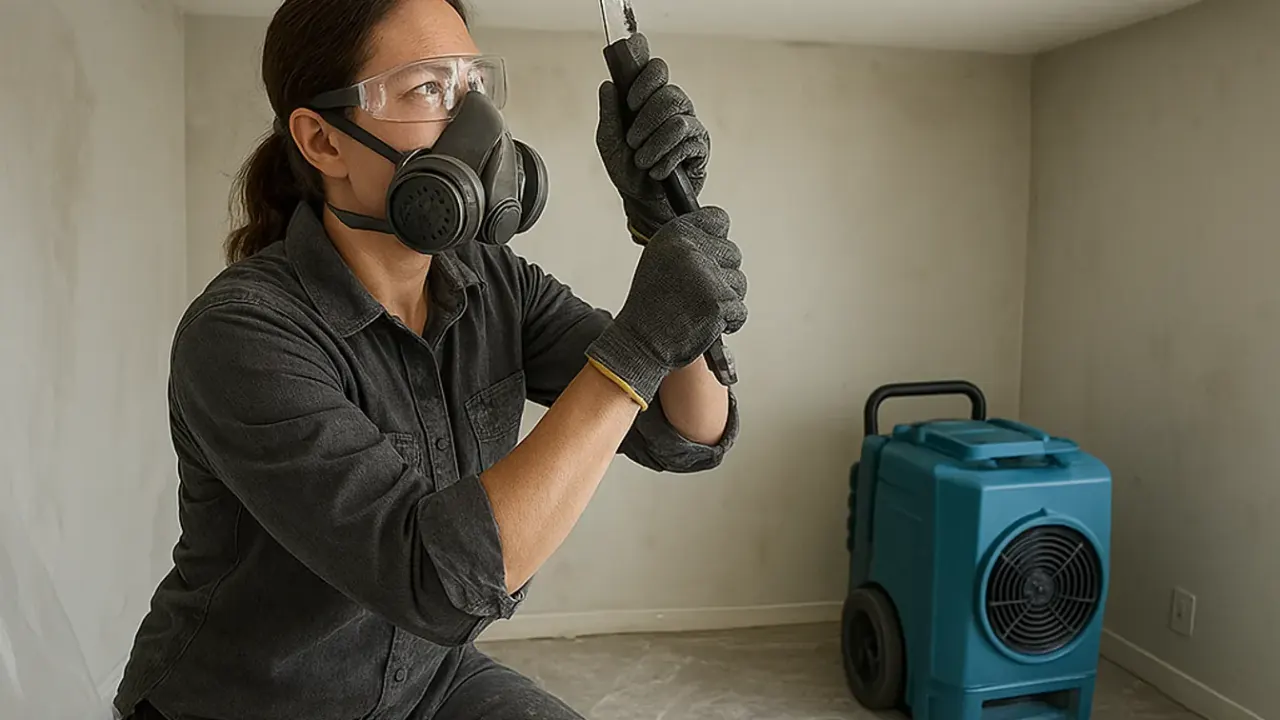
We help Chicopee homeowners recover after wind, rain, and snow damage. Our crews secure the building, extract water, dry the structure, and repair the damage.
We help Chicopee property managers and business owners get back to work after a storm. We secure the building, dry it, and repair the damage with minimal disruption.
Storm damage restoration Chicopee MA is the process of securing a building after wind, rain, hail, or snow has breached it, then removing water, drying the structure, and repairing what was damaged. It starts with emergency board-up or tarping, moves into water extraction and structural drying, and ends with drywall, flooring, and roofing repairs. Every step is documented with moisture readings so your insurance adjuster can see exactly what happened and what we did about it.
Chicopee sits along the Connecticut River, and that geography matters. Spring nor'easters drive rain sideways into siding and window frames, while summer thunderstorms overwhelm gutters and send water into basements through window wells and floor drains. Older housing stock in Willimansett and Chicopee Falls often has aging roof flashing and clay sewer laterals that crack under freeze-thaw cycles. If you search for storm damage restoration near me Chicopee after a big storm, you need a crew that knows these buildings, not a call center three states away.
Secure the building first, dry it to standard, then repair what the storm broke.
Every storm job follows the same disciplined sequence. Here is what you can expect from the first phone call to the final walkthrough.
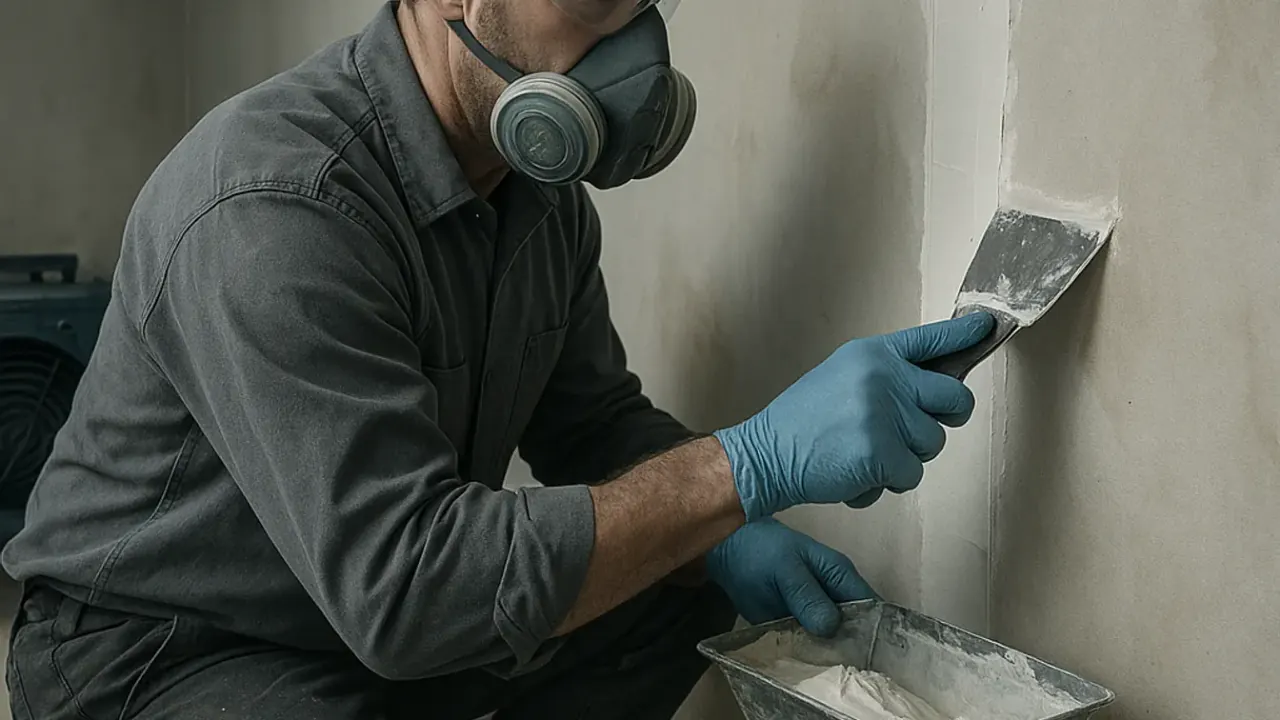
You call us and describe what happened. We ask about the storm type, where water is entering, and whether power is safe. Within minutes we dispatch a crew and give you immediate steps: shut off the breaker to flooded areas, move valuables up, and stay out of rooms with sagging ceilings.
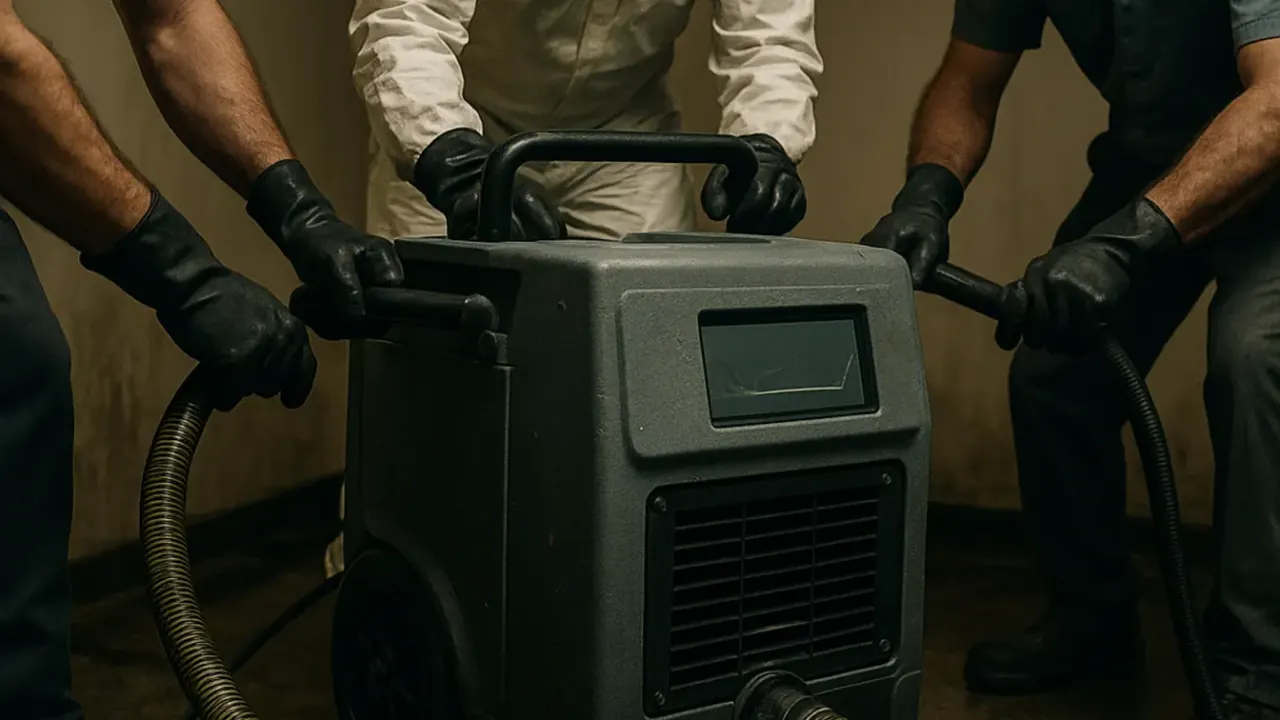
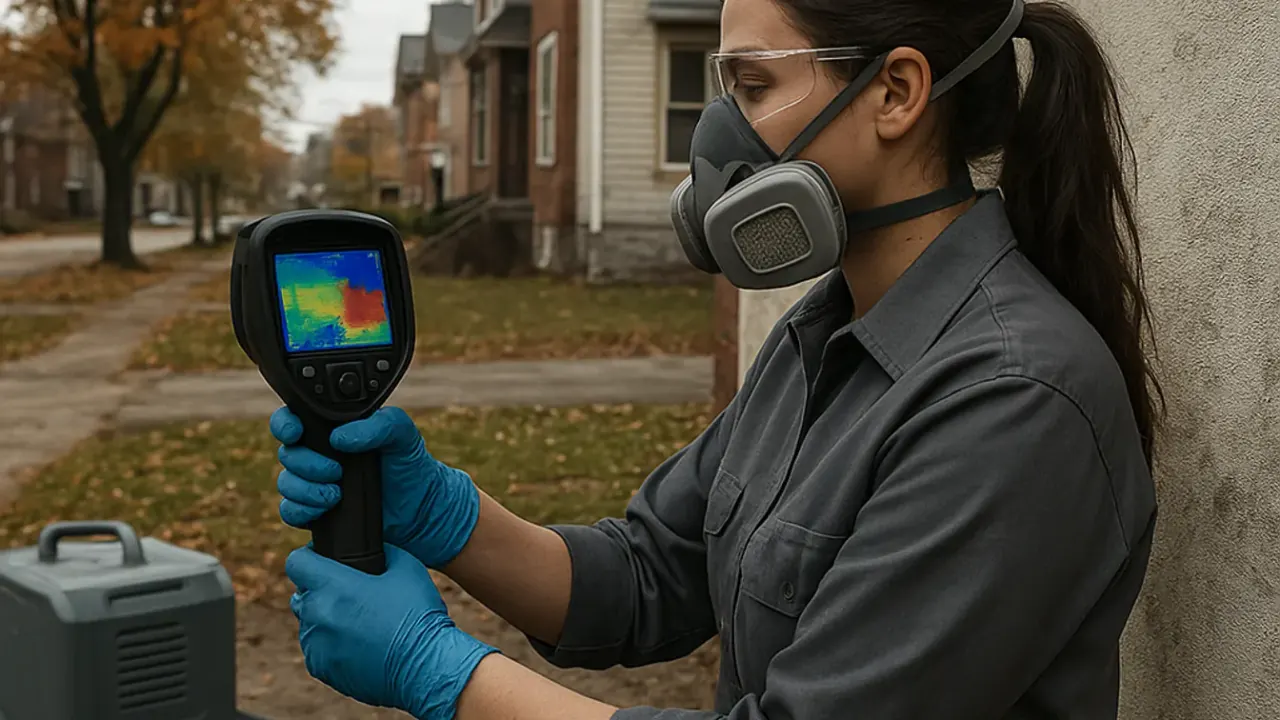
A technician walks the property with a moisture meter, thermal imaging camera, and boroscope. We check wall cavities, ceilings, and subfloor for hidden water damage behind walls. You get a clear verbal scope and photos before any equipment is set.
We tarp damaged roof sections, board broken windows, and place a vapor barrier where needed. If standing water is present, we start extraction with truck-mounted units and Shop-Vac units for tight spaces. This step usually takes two to four hours depending on the size of the affected area.
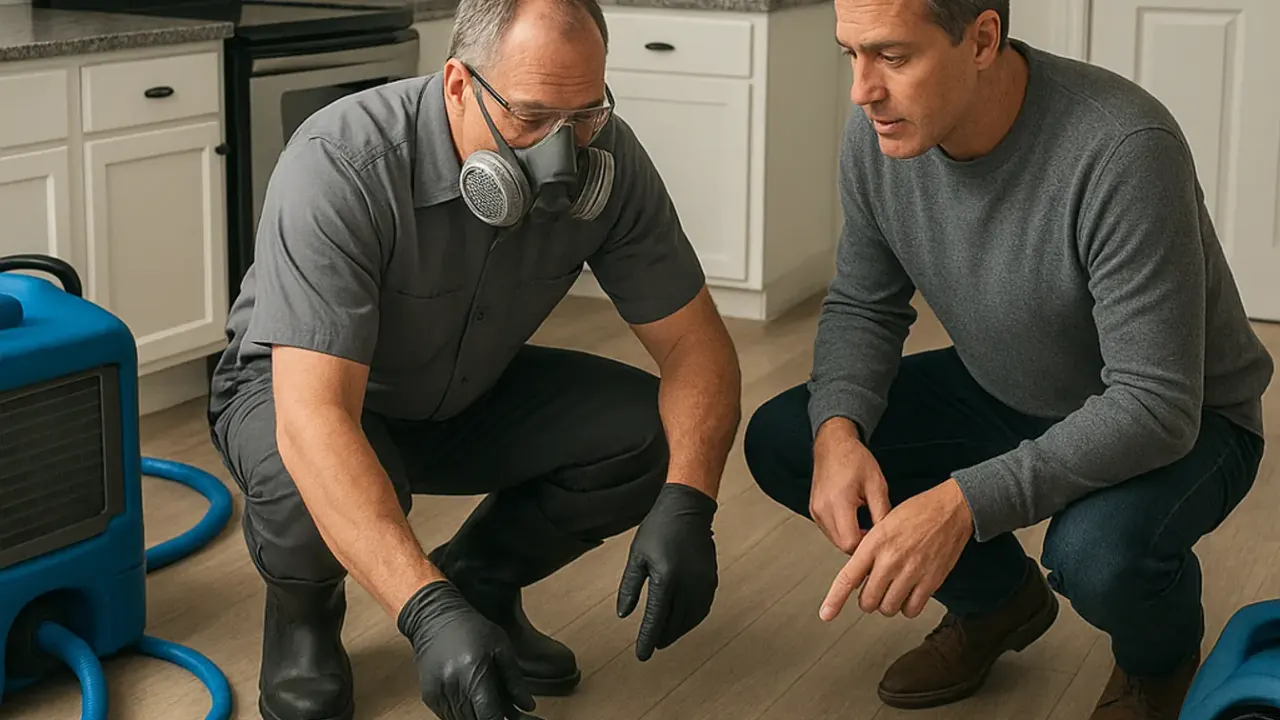
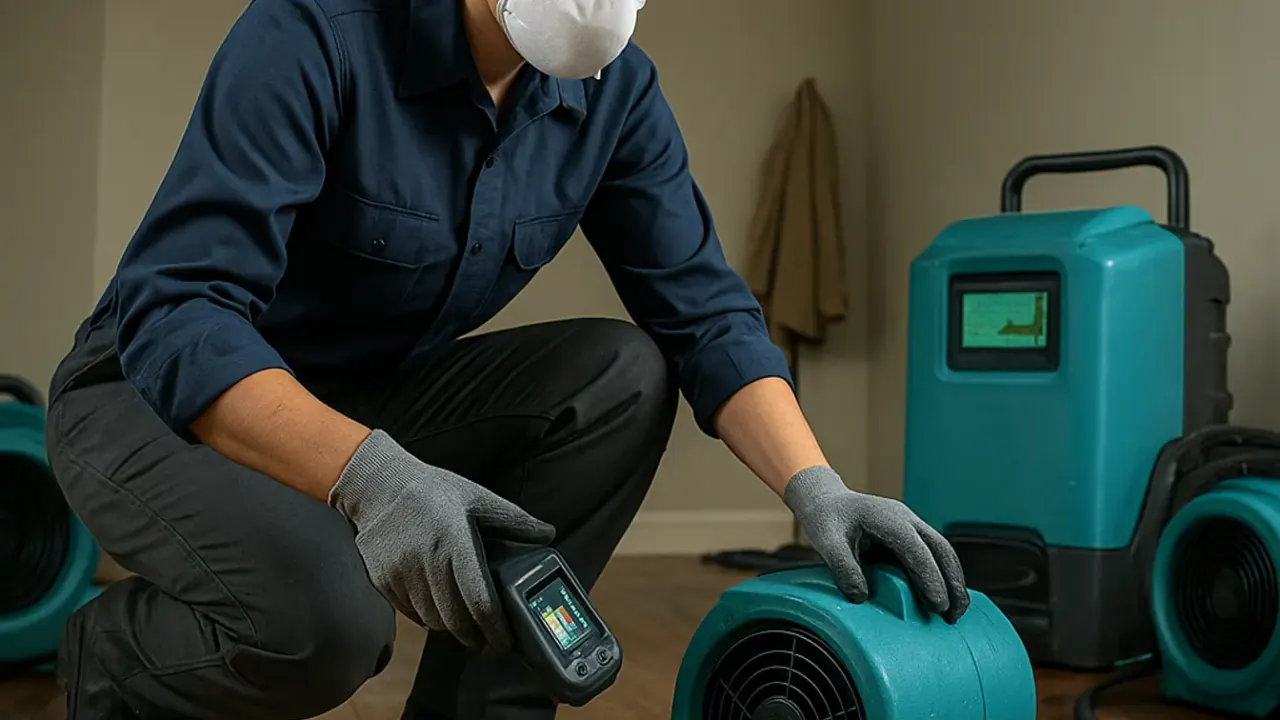
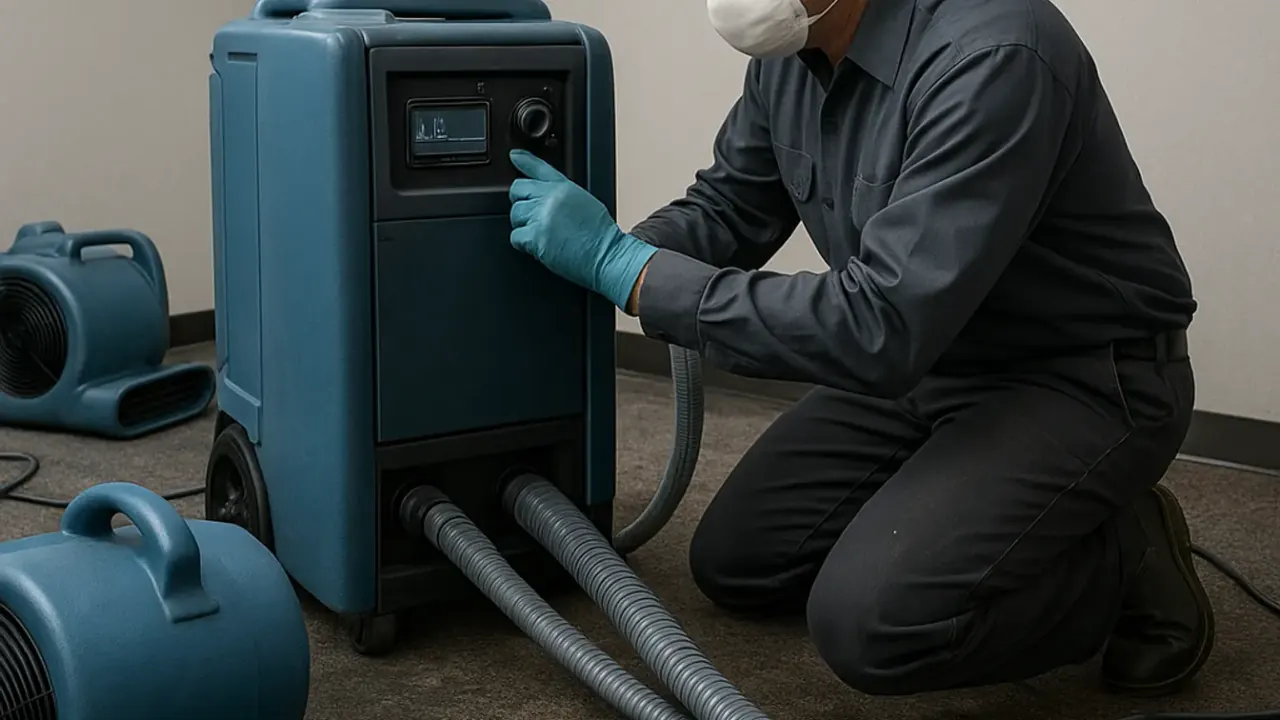
We position dehumidifiers and air movers to dry framing, drywall, and subfloor. Each day we log readings with a hygrometer and infrared thermometer. Most Chicopee homes reach dry standard in three to five days, though basement flooding after a major storm can take longer.
Once the structure is dry, we replace damaged drywall, insulation, baseboards, and flooring. We use mold-resistant drywall in wet areas and match existing finishes. You walk the finished space with us, and we do not close the job until you are satisfied with the result.
Measures water content in drywall, wood, and concrete to find hidden moisture and confirm when materials are dry.
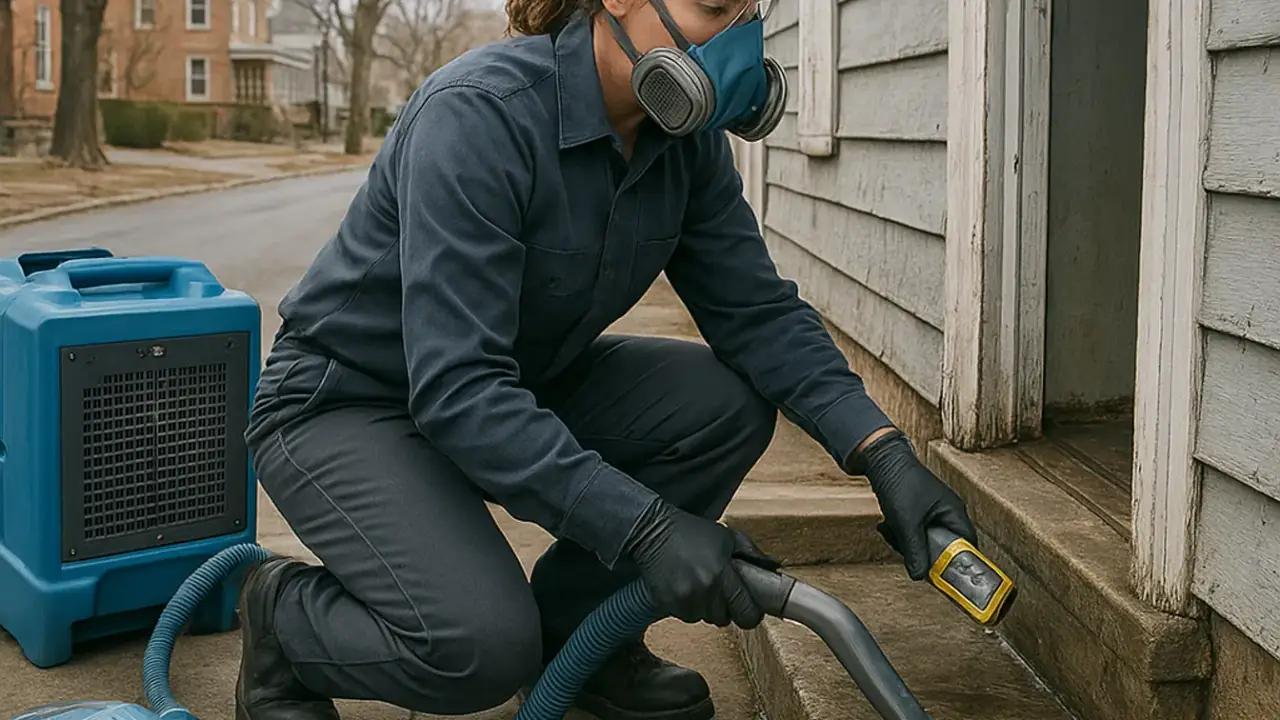
Detects temperature differences behind walls to locate hidden water damage without cutting open every surface.
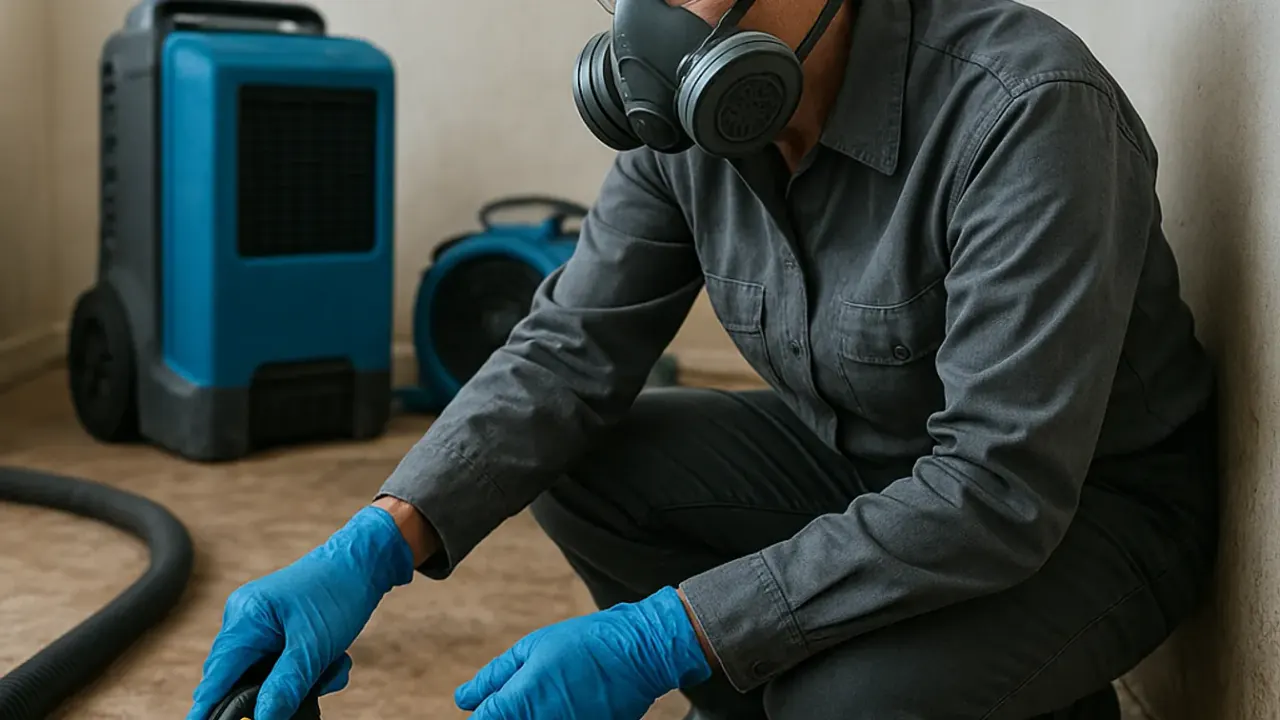
Removes moisture from the air to speed structural drying and prevent mold growth in walls and framing.
Circulates air across wet surfaces to evaporate moisture from floors, walls, and subfloor.
Measures relative humidity to confirm the drying equipment is working and the structure is reaching dry standard.
Inspects inside wall cavities and behind baseboards to find water and mold without unnecessary demolition.
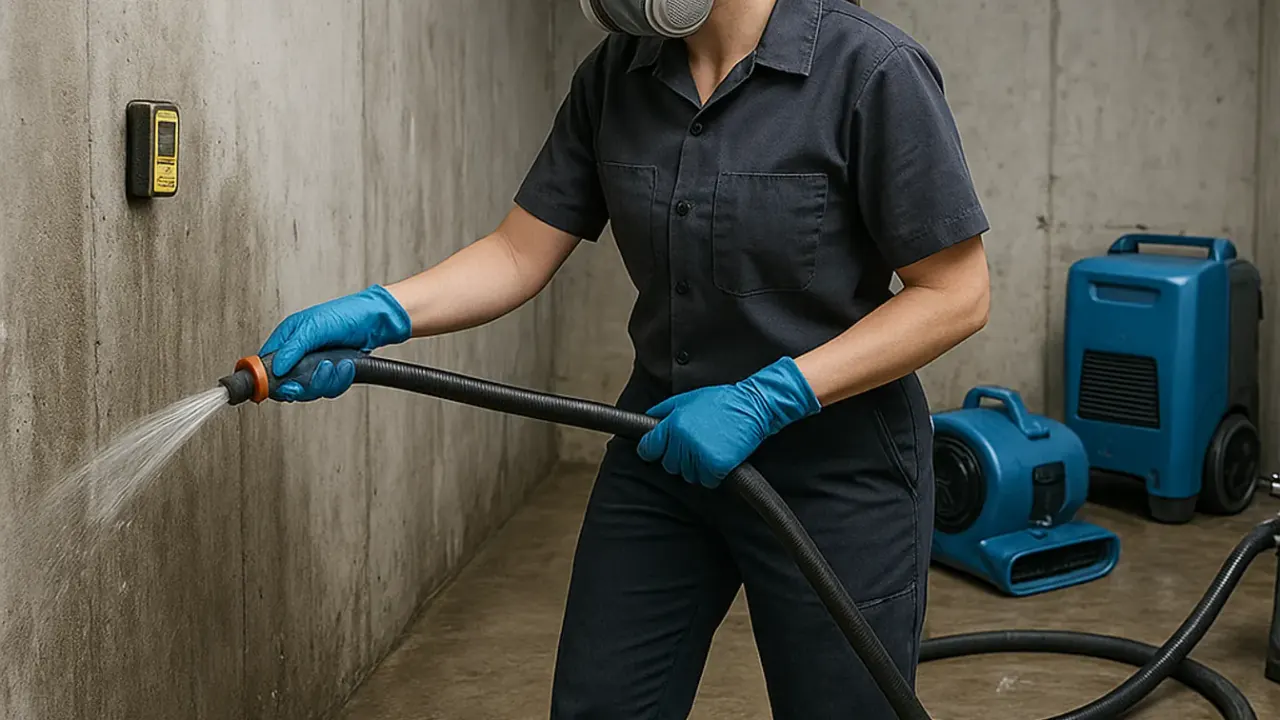
Checks surface temperatures to identify cold spots where moisture is likely hiding.
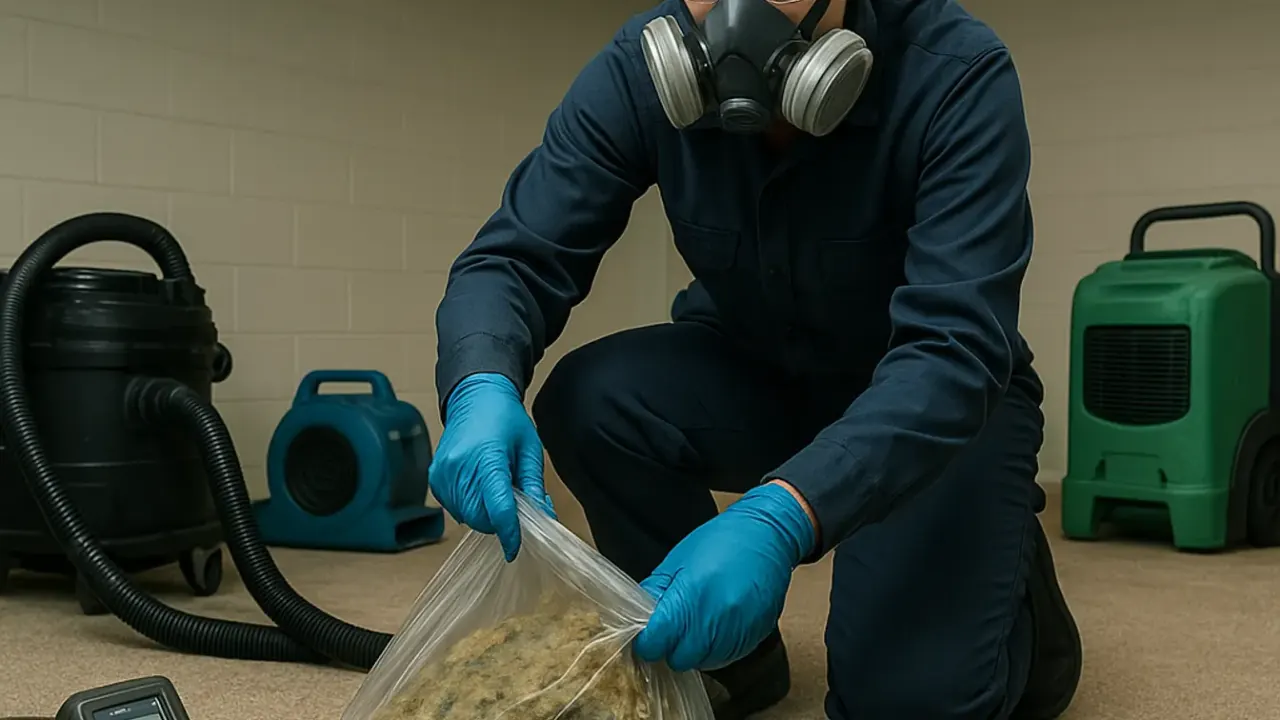
We follow IICRC WRT standards for water damage restoration, which means we dry to a documented standard, not just until surfaces feel dry. That is how we prevent mold and callbacks.
We tarp the roof the same day, extract water from the attic and ceiling, set drying equipment, and repair the roof and interior. We document everything for your claim. Your home is dry and secure within days, and your insurance claim is fully documented.
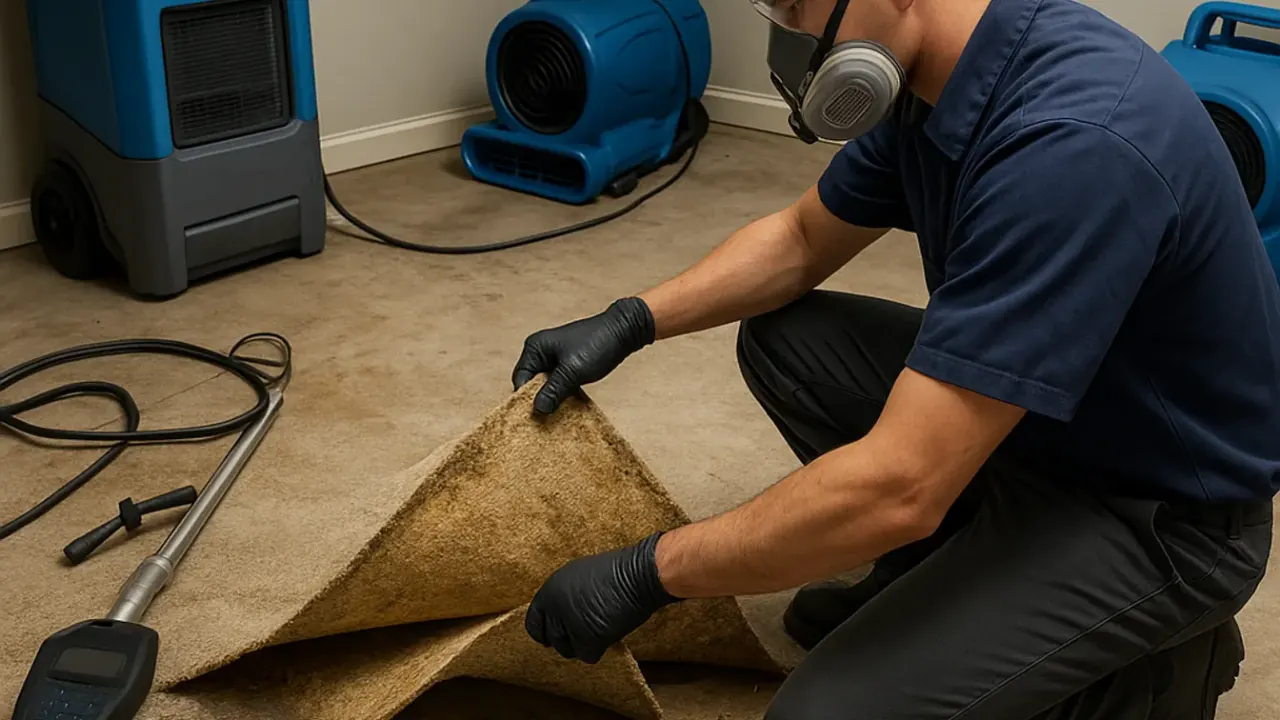
We extract standing water, remove saturated carpet and padding, dry the concrete and framing, and replace damaged drywall and baseboards. Your basement is dry, mold-free, and back to finished condition.
We shut off the water, extract it, open the wall to dry the framing, and repair the pipe and drywall. We check for hidden moisture with a moisture meter before closing the wall. Your kitchen is dry and repaired, and the pipe is fixed so it does not happen again.
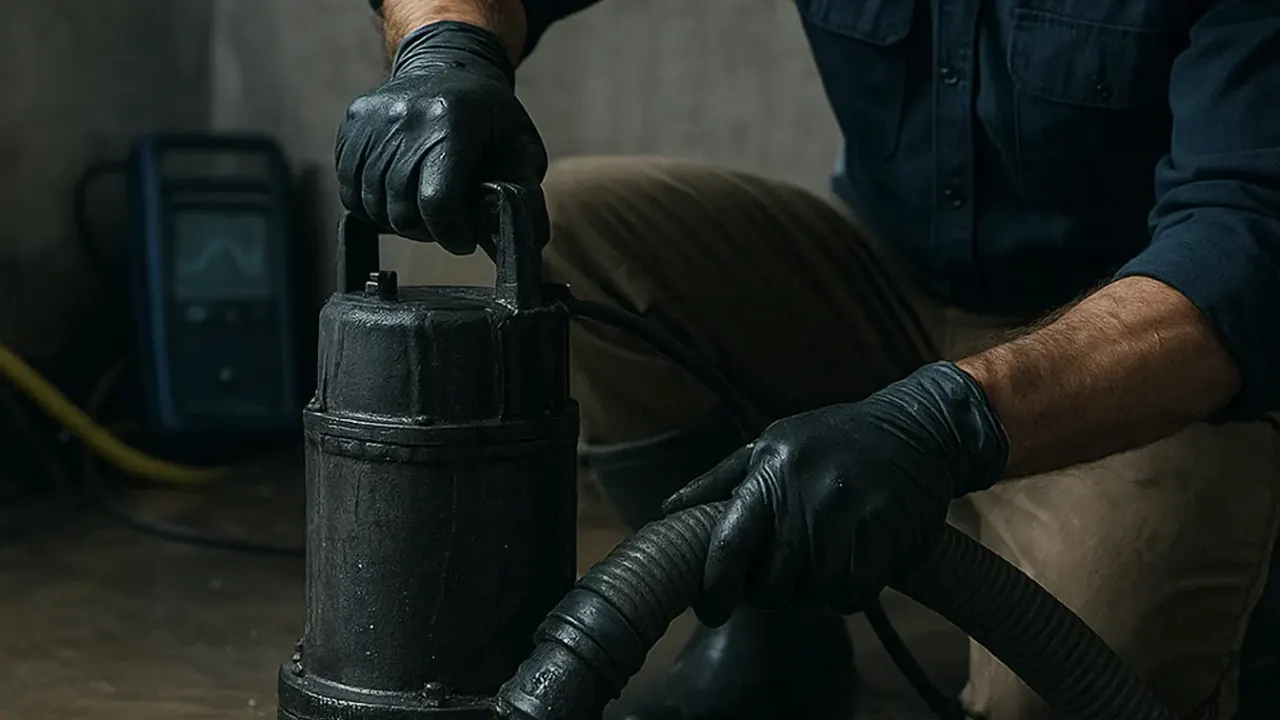
We extract the water, dry the basement, and check the sump pump and drainage. We also inspect for hidden water behind walls with a thermal camera. Your basement is dry and your drainage system is working again.
Chicopee's weather is hard on buildings. Spring nor'easters drive rain sideways into siding and window frames. Summer thunderstorms dump two inches in an hour and overwhelm gutters, sending water into basements through window wells and floor drains. Winter freeze-thaw cycles crack pipes and roof flashing. The city's housing stock ranges from 1920s two-families in Willimansett to newer builds in Fairview, and each type fails differently. Older homes have clay sewer laterals that crack and back up during storms. Newer homes have finished basements where water hides behind drywall. We scope every job with that in mind. If you need same-day storm damage restoration Chicopee MA, we are already in your neighborhood. We work under Massachusetts HIC License and Massachusetts Mold Remediation License requirements, and we follow EPA Lead-Safe practices in pre-1978 homes.
A nor'easter tore shingles off a two-family home in Willimansett. Water poured through the ceiling into two bedrooms, soaking insulation and drywall. The homeowner called us at 7 a.m. with water dripping into light fixtures.
We tarped the roof by 10 a.m., extracted water from the ceilings, and set drying equipment. By day four, moisture readings showed the framing was dry. We replaced the drywall, insulation, and shingles. The homeowner's insurance covered the full scope.
We recommended a roof inspection every spring and fall to catch loose flashing before the next storm. The homeowner now checks attic insulation after every major rain.
A summer thunderstorm dumped two inches of rain in an hour. The homeowner's finished basement flooded with three inches of standing water. Carpet, padding, and baseboards were saturated, and water had wicked up the drywall six inches.
We extracted the water in three hours, removed the carpet and padding, and cut out the wet drywall. Drying equipment ran for five days. We replaced the drywall with mold-resistant board and installed new baseboards and carpet. Moisture readings confirmed the concrete was dry.
We cleaned the floor drains and recommended a backwater valve to prevent future backups. The homeowner now keeps a battery backup sump pump for storm season.
A January freeze cracked a pipe in an exterior wall of a College Hill home. Water flooded the kitchen and soaked the subfloor. The homeowner discovered it when the floor felt spongy near the sink.
We shut off the water, extracted it, and opened the wall to dry the framing. A boroscope confirmed no water had reached the adjacent room. We repaired the pipe, replaced the drywall, and installed new subfloor and flooring. The kitchen was back in service in eight days.
We insulated the pipe and recommended leaving cabinet doors open during cold snaps. The homeowner now drips faucets on exterior walls when temperatures drop below 20 degrees.
Storms find the weak points in every building. Here are the problems we see most often in Chicopee and how we fix them.
We tarp the roof immediately, extract water from ceilings and walls, dry the structure, and repair the roof and interior damage. We document everything for your insurance claim. Water stains ceilings, soaks insulation, and drips into living spaces. Left alone, it rots roof decking and framing.
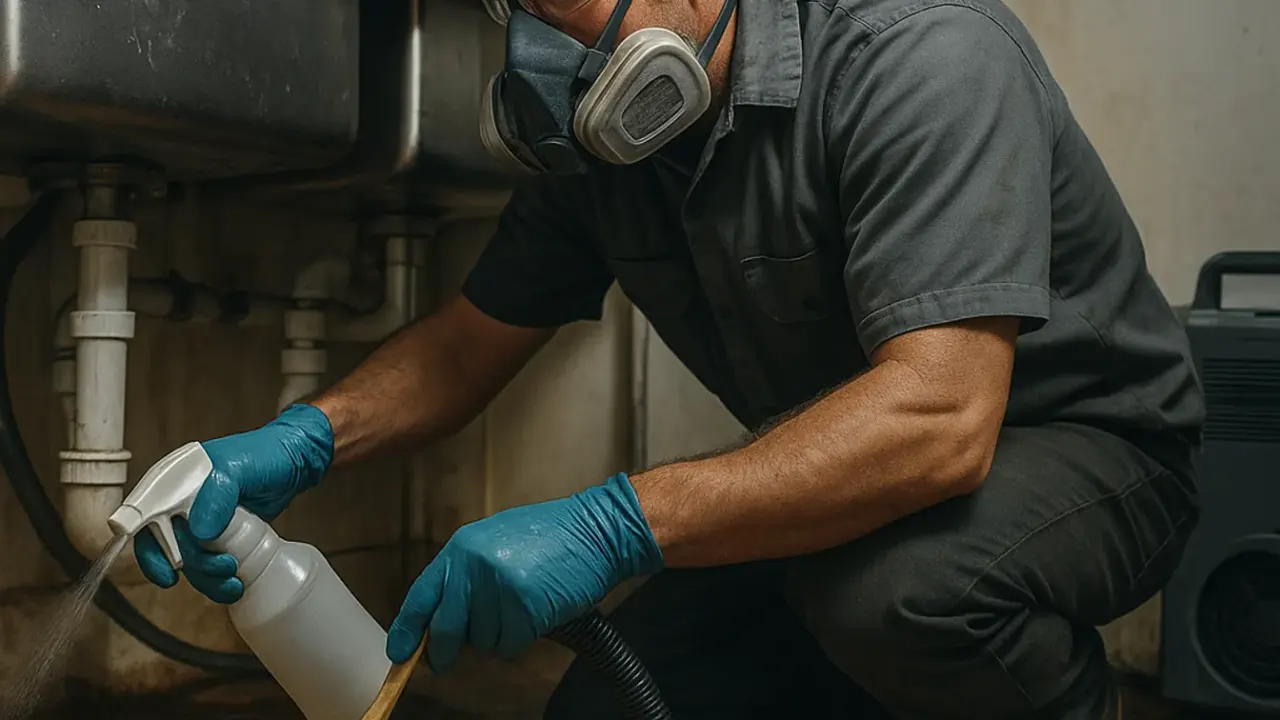
We extract the water, remove saturated materials, set drying equipment, and treat for mold risk. We also check window wells and floor drains to find how the water got in. Standing water ruins flooring, baseboards, and stored belongings. Within 48 hours, mold starts growing on wet surfaces.
We use thermal imaging cameras and boroscopes to find hidden water damage behind walls. We cut out wet drywall, dry the framing, and replace with mold-resistant drywall. Water wicks into wall cavities and insulation without visible signs. By the time you smell mold, the damage has spread.
We remove the contaminated water, dispose of affected materials, disinfect the area, and dry the structure. We follow Massachusetts Mold Remediation License requirements throughout. Storm water overloads sewer lines and backs up through floor drains. That water is contaminated and a health hazard.
We answer the phone and dispatch crews across Chicopee, including Aldenville, Fairview, and Sandy Hill. Most emergency calls get a truck on-site the same day. We tarp roofs, board windows, and start water extraction before secondary damage spreads into your walls and ceilings.
We photograph every affected area, log moisture meter readings, and produce a scope of work your adjuster can process. That paperwork is why so many Chicopee storm damage restoration claims move faster when we are on the job from day one instead of after the damage has spread.
Extraction is only half the job. We set Dri-Eaz and Phoenix Restoration Equipment dehumidifiers and air movers, then monitor with hygrometers and thermal imaging cameras until framing and subfloor reach dry standard. Skipping this step is how mold growth starts behind baseboards two weeks later.
We replace storm-damaged drywall, insulation, baseboards, and flooring so you are not left coordinating three separate contractors. One crew handles extraction through final repair. That means fewer scheduling gaps, one point of contact, and a finished room instead of a demolition zone.
Clear records you can keep and share.
Itemized work plan before we start
Images of every affected area
Daily readings until dry standard
Storm damage gets worse the longer you wait. Water wicks into walls and mold starts within 48 hours. Acting fast limits the damage and the cost.
Water wicks up drywall and into insulation within minutes. What looks like a small leak often hides a larger problem behind the wall.
Mold growth begins within 48 hours of water exposure. Drying the structure to standard is the only way to stop it before it spreads.
Extraction takes hours, but drying takes three to five days. Skipping the drying step is how mold and rot start behind walls.
Outside these areas? Call and ask - we may still be able to help. 4132848111
Most residential storm damage restoration jobs in Chicopee MA run $1,800 to $6,500, depending on the size of the affected area and whether repairs are needed. Emergency tarping alone might be $400 to $900. Water extraction and drying for a flooded basement typically lands between $1,200 and $3,500. Full repairs with drywall and flooring push the total higher. We provide a written scope before work begins so you know the numbers.
Storm damage repair Chicopee MA fixes the visible damage, like replacing shingles or patching drywall. Restoration goes further: it removes water, dries the structure to standard, treats for mold risk, and returns the building to its pre-storm condition. Repair without restoration leaves hidden moisture behind walls, which leads to mold growth and rot. We do both, which is why we can guarantee the job is actually finished.
Emergency stabilization takes two to four hours. Structural drying usually runs three to five days for a typical Chicopee home, longer for basement flooding after a major storm. Repairs depend on scope: a small ceiling leak might be one day, while a flooded finished basement with drywall and flooring replacement can take one to two weeks. We give you a day-by-day schedule after the assessment.
Most homeowner policies cover sudden storm damage, including wind, hail, and rain entering through a damaged roof or window. Flooding from rising water usually requires separate flood insurance. We document everything with photos and moisture readings, produce a scope your adjuster can process, and work directly with insurance companies. That documentation is why claims move faster when we are involved from day one.
Storm damage spreads fast. Water wicks into walls, mold starts within 48 hours, and roofs leak worse with every rain. Call Giant Restoration Pros at 413-284-8111. We answer, we dispatch, and we document everything for your insurance claim.
Call 413-284-8111 any time, day or night. We answer live and dispatch a crew immediately. For non-emergency questions, email info@giantrestorationpros.com or stop by our Chicopee office during business hours. Most Hampden County addresses see a technician within 60 to 90 minutes of your call.