Written moisture log
Daily readings from intake to release
Document Drying and Restoration Chicopee MA is the service that pulls soaked files, ledgers, and books out of a flooded basement or burst-pipe office and returns them dry and readable. We handle paper, photographs, and bound records for homeowners, law offices, and municipal clerks across Hampden County. The clock starts the moment water hits cellulose, so call while the pages are still cold and wet.
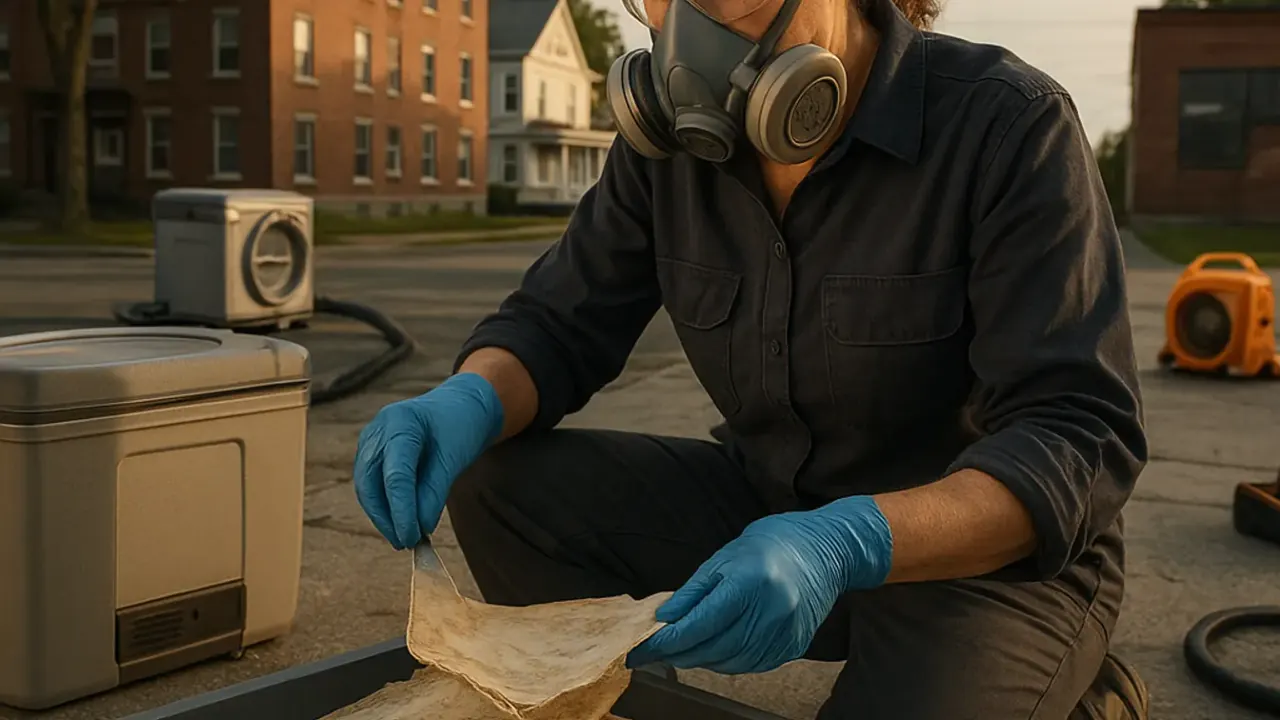
Every job includes the full drying cycle, moisture documentation, and return delivery. Add-on services like mold remediation or rebinding are quoted separately if the inspection shows they are needed.
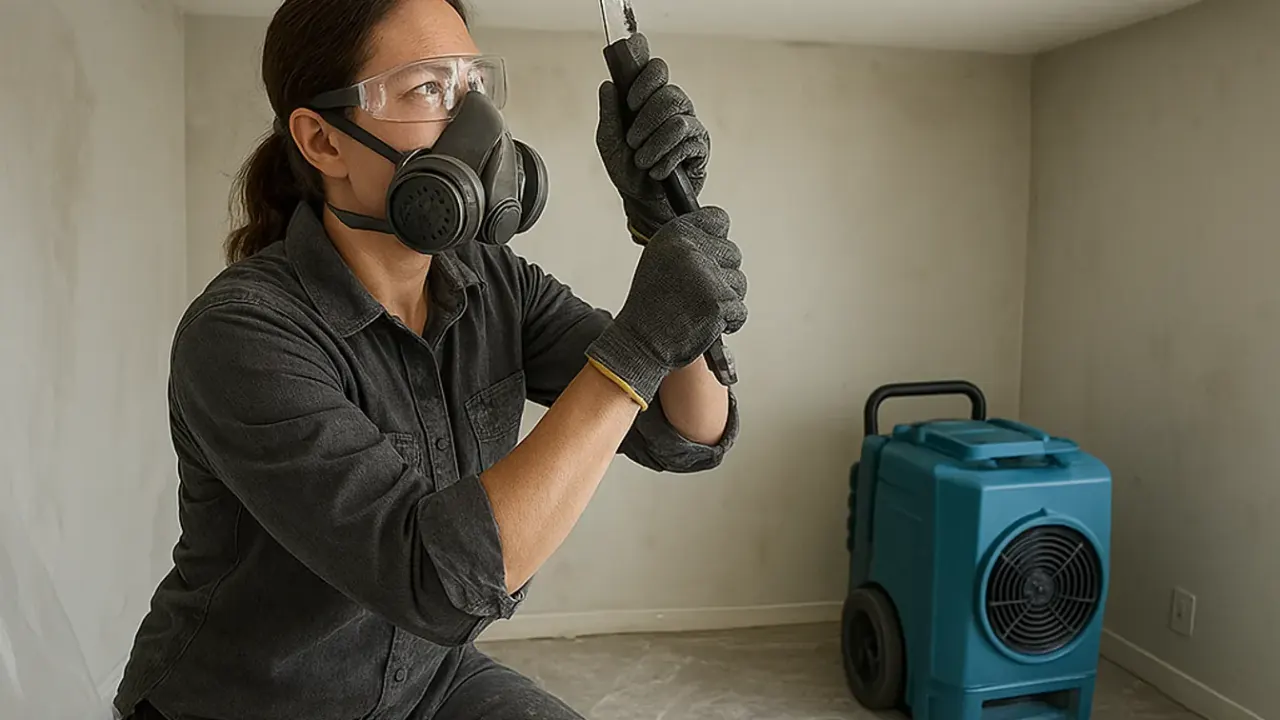
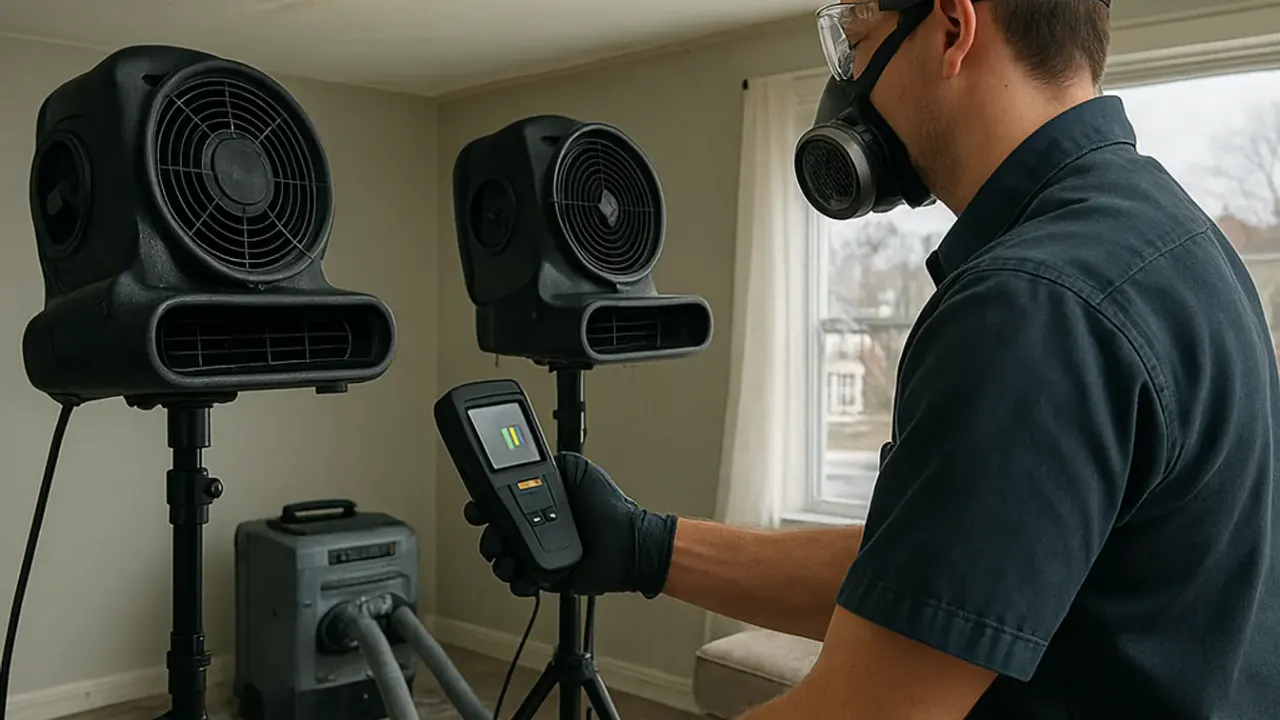
We recover tax records, photo albums, and family papers soaked by pipe bursts, water heater leaks, and basement flooding. Every batch is interleaved, dried, and returned with a moisture log.
We pack out client files, ledgers, and archives for law offices, property managers, and municipal clerks. The work is documented at every stage so your adjuster can process the claim.
Document Drying and Restoration Chicopee MA is a controlled drying process that removes water from paper, ink, and bindings without causing ink bleed, page blocking, or mold growth. We start with a moisture meter and thermal imaging camera to map how far water has wicked into a stack, then separate pages with freezer paper or polyester sheets so they do not fuse. From there we choose vacuum drying for coated stock, freeze drying for saturated archives, or desiccant dehumidification for smaller batches. A hygrometer tracks relative humidity in the chamber until the paper returns to its pre-loss moisture content.
Chicopee's housing stock makes this a recurring call. The city's older mill-era buildings and finished basements along the Connecticut River flood when pipe bursts, sewage backups, and spring storm damage push water into storage rooms. If your document recovery in Chicopee MA is delayed past 48 hours, mold growth starts on the page edges and foxing stains set in permanently. We also handle document drying and restoration Chicopee MA 24/7 for law firms on East Main Street and insurance agencies near Chicopee Center that cannot afford to lose client files.
Paper dries on a clock, so we freeze it before mold sets in.
Every job follows the same five stages. You will know what is happening to your records at each step, and we do not move to the next stage until the moisture readings say it is safe.
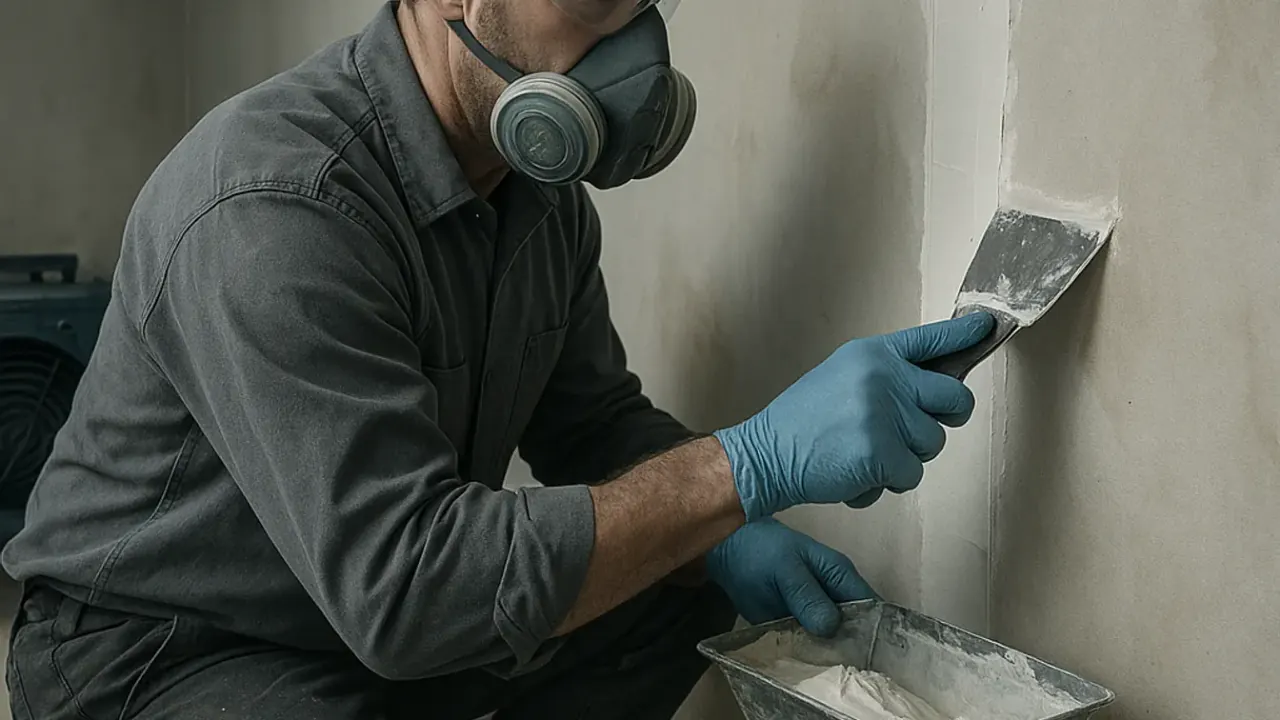
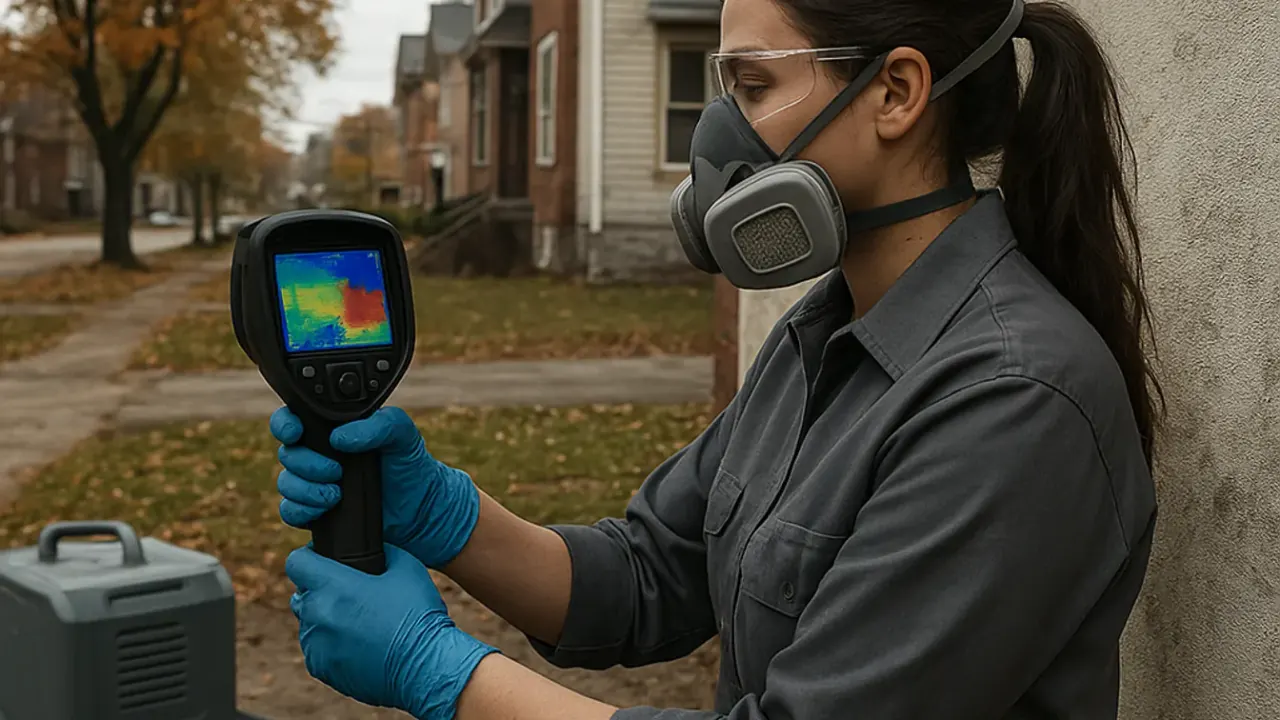
You call, we ask what got wet and how long ago. We tell you to keep the documents cold and out of direct sun, and we dispatch a technician with a moisture meter and boroscope. For emergency document drying and restoration in Chicopee MA, we aim to be on site within 60 to 90 minutes.
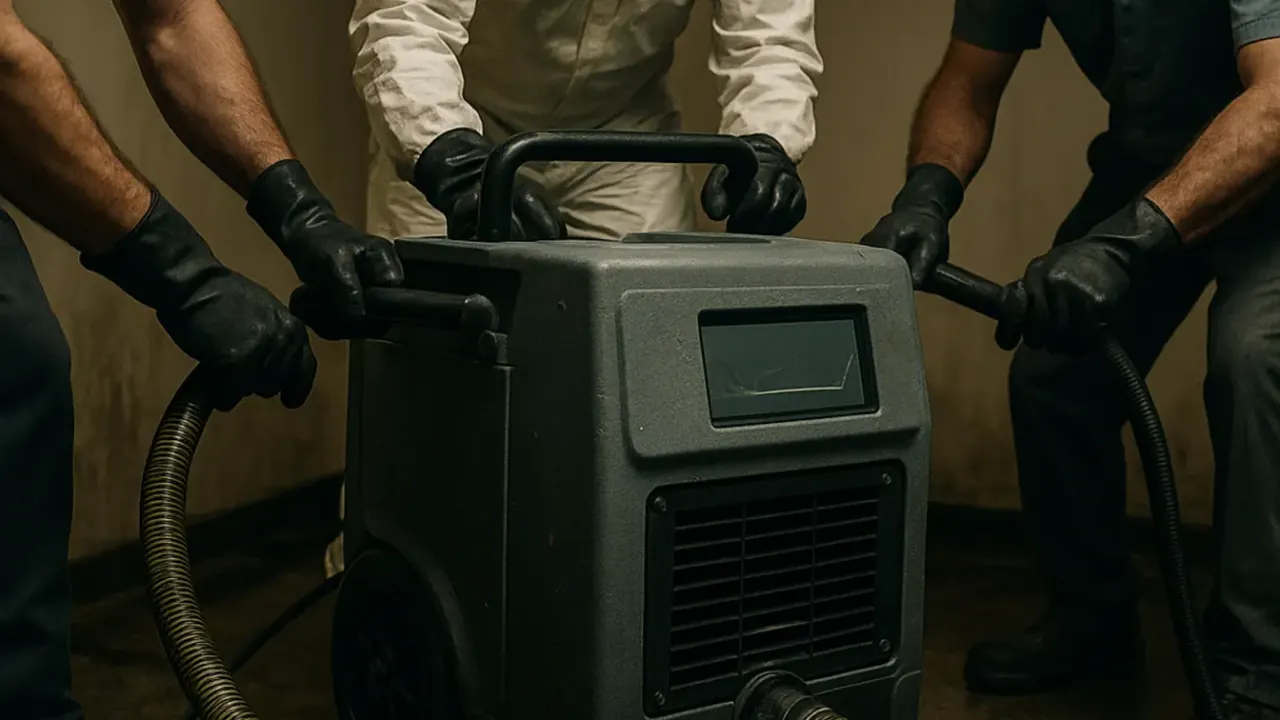
We separate wet paper from dry, interleave pages with freezer paper, and pack the batch into labeled crates. A water extraction unit handles any standing water in the room. The crates go to our drying chamber, where a hygrometer logs temperature and humidity every hour.
Coated or glossy stock goes into vacuum drying. Saturated bound volumes and photo albums go into the freeze dryer, where ice sublimates at -20 to -30 degrees Fahrenheit. Smaller jobs use a desiccant dehumidifier with air movers. We explain which method fits your batch before we start.
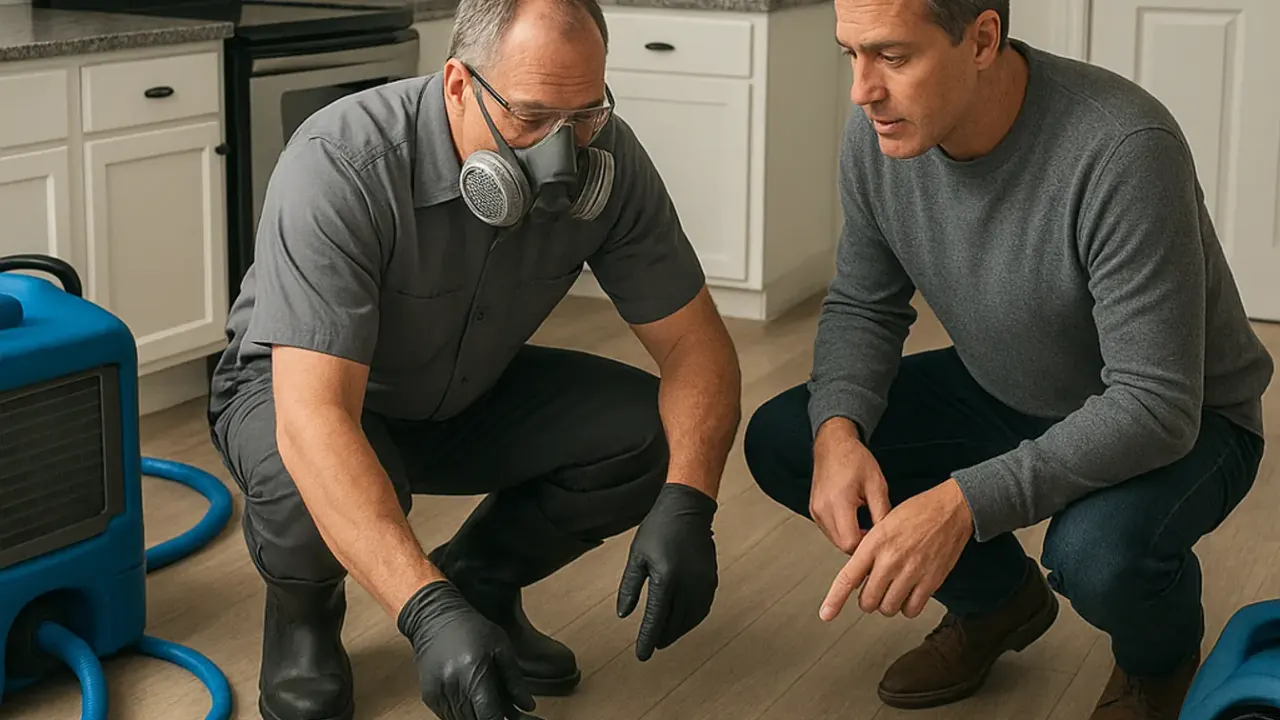
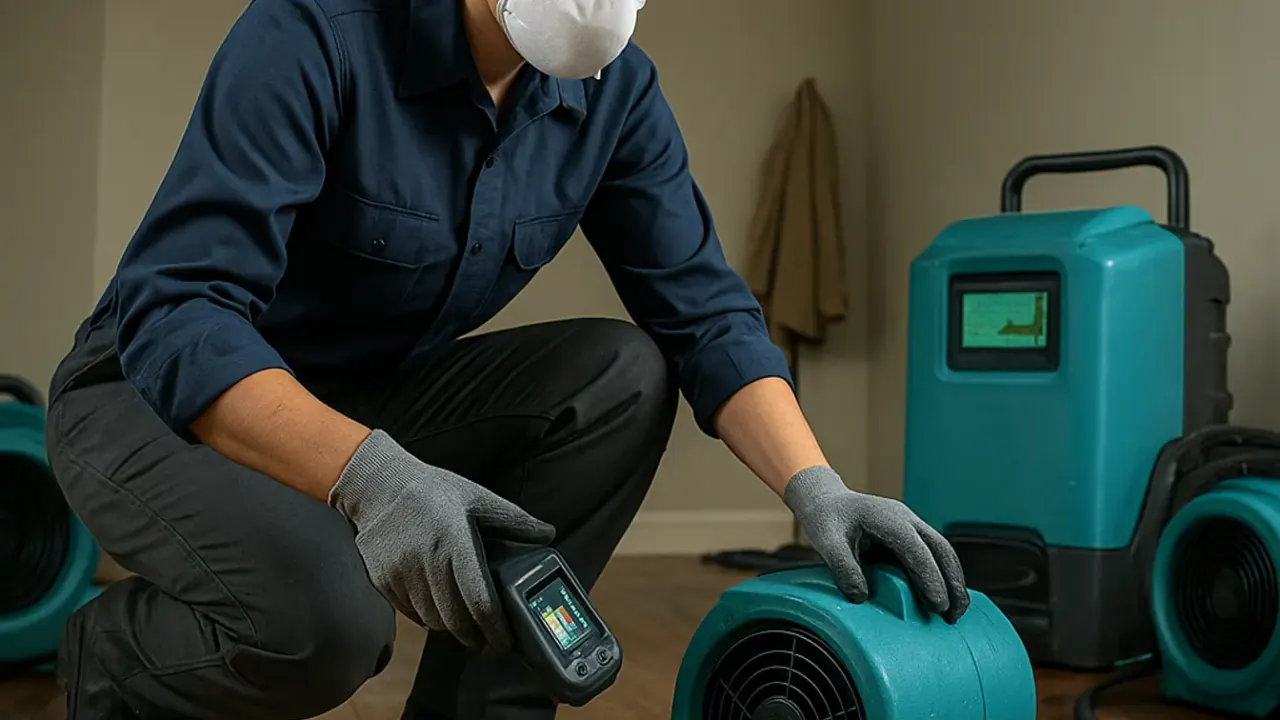
We check moisture content daily with a moisture meter and infrared thermometer. Pages that are drying unevenly get repositioned. You receive photo documentation and a written log showing the moisture percentage from intake to release, which you can hand straight to your insurance adjuster.
Once the paper reads dry, we remove interleaving, rebuild boxes, and deliver back to your Chicopee address. We walk you through what to store where, how to keep the room below 50 percent relative humidity, and what to watch for in the next 30 days. A follow-up moisture check is included.
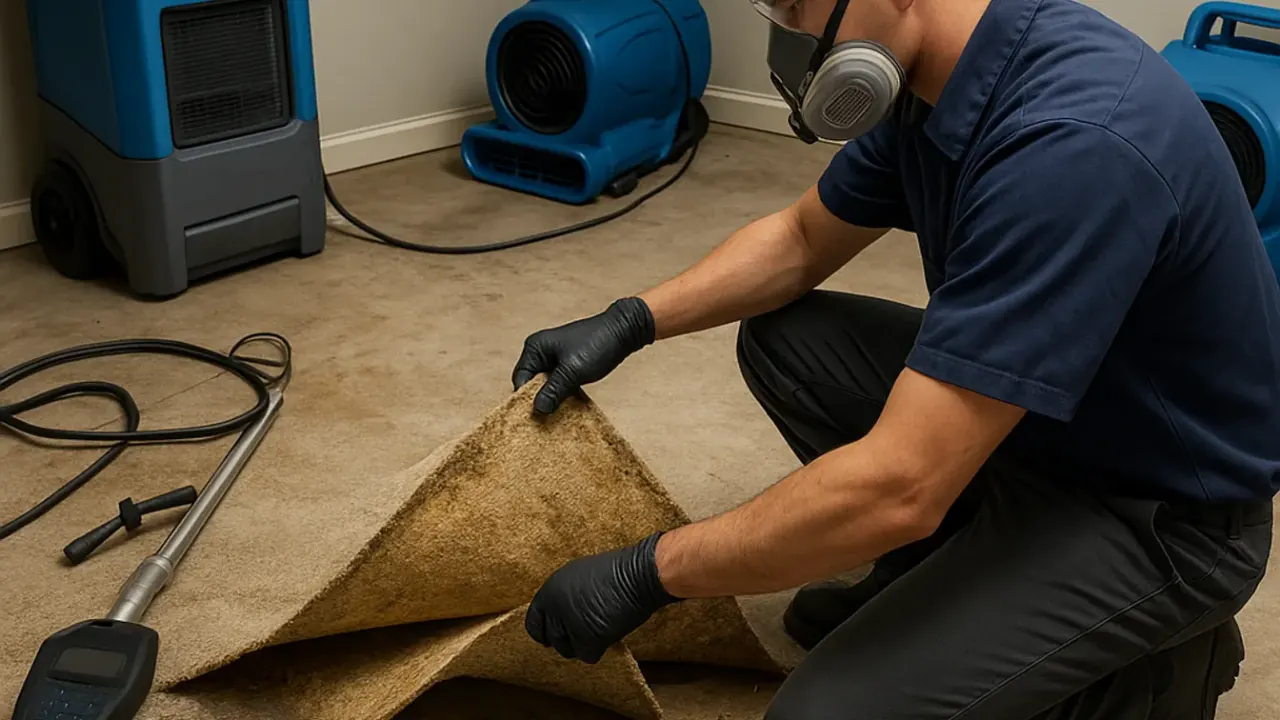
Reads the moisture content of paper and bindings at intake and daily during drying. It tells us when a stack is dry enough to stop the cycle.
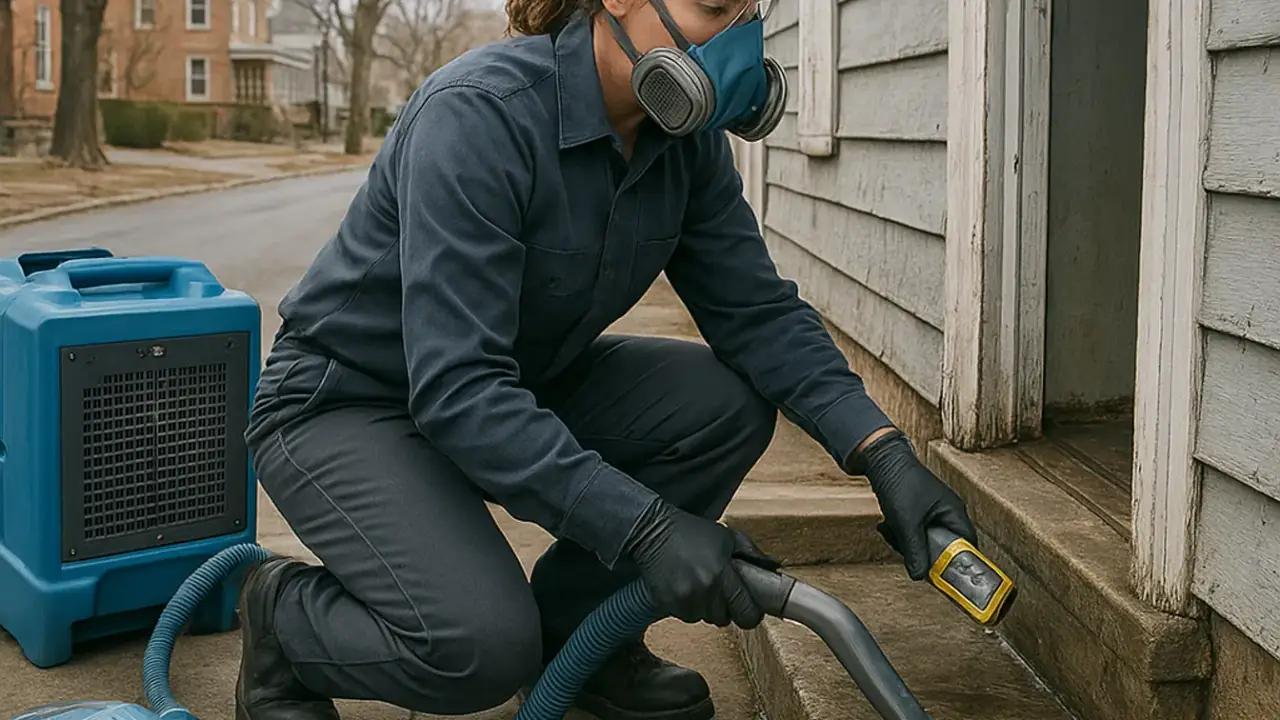
Maps hidden water behind walls and inside stacked boxes so we know how far the damage reaches before we pack out.
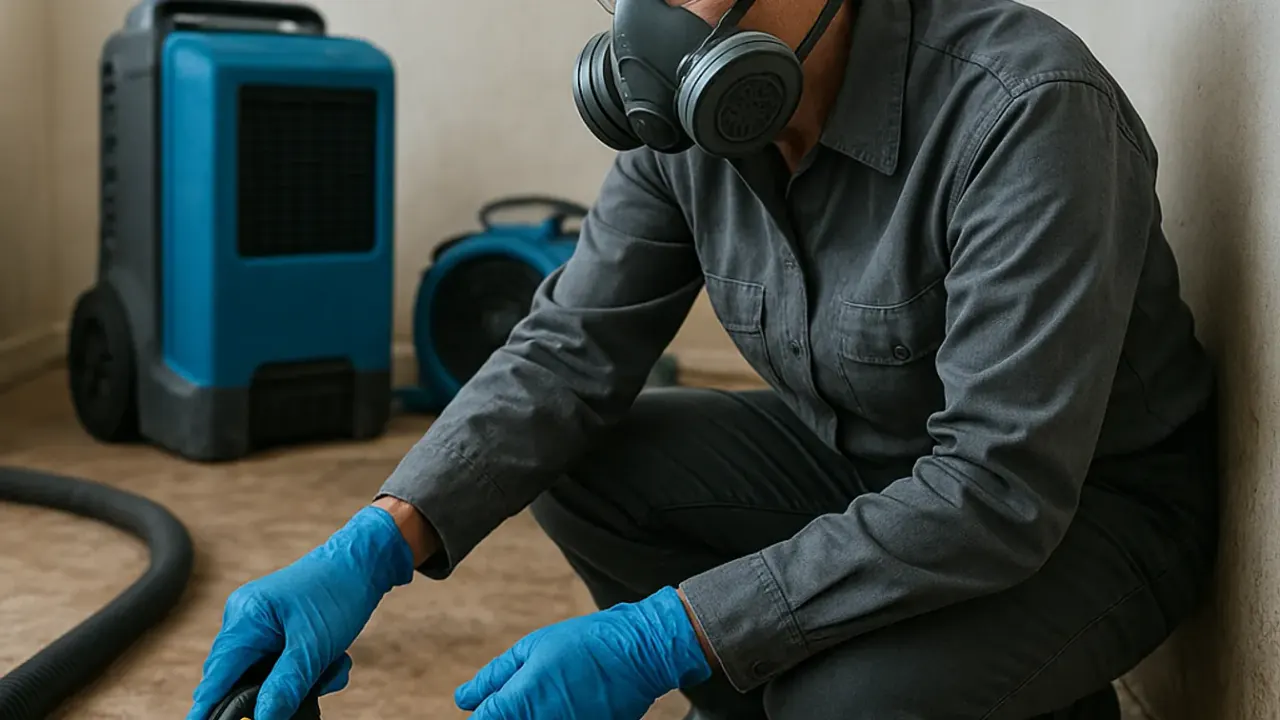
Dries saturated books and photo albums at -20 to -30 degrees Fahrenheit through sublimation, so pages keep their shape and ink does not bleed.
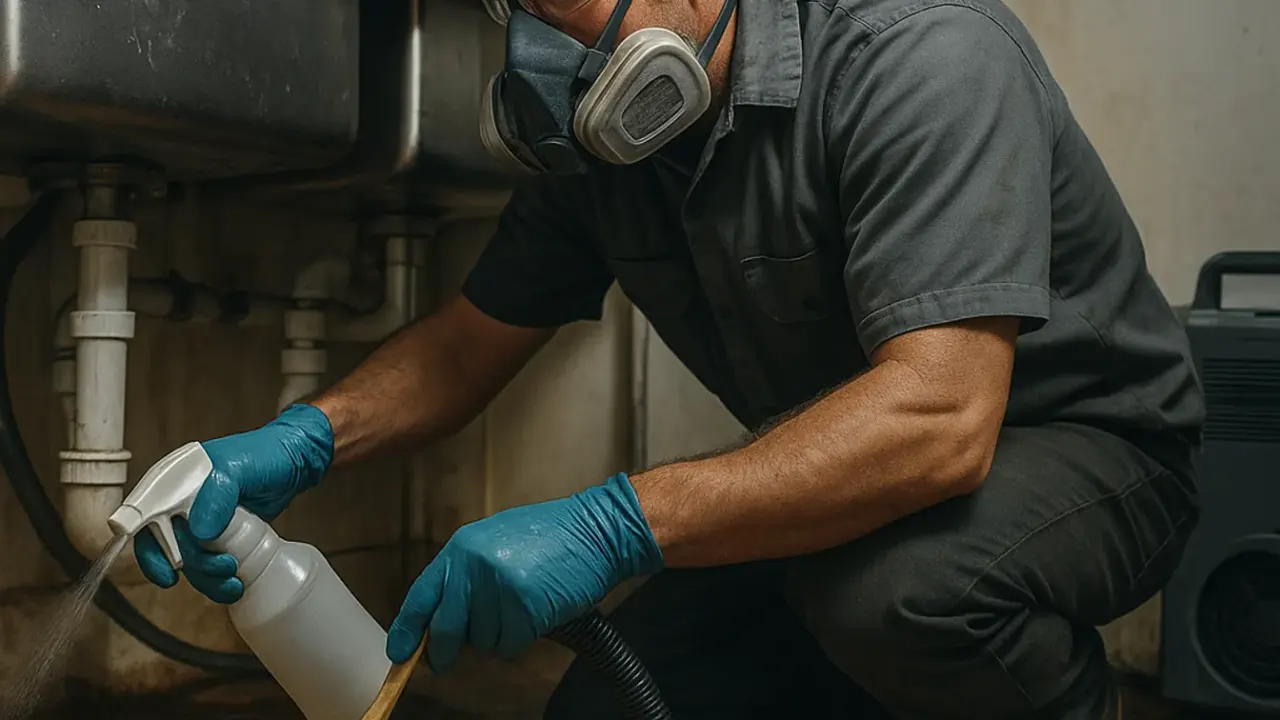
Pulls moisture out of the air in the drying room for smaller batches of loose pages. Keeps relative humidity below 50 percent.
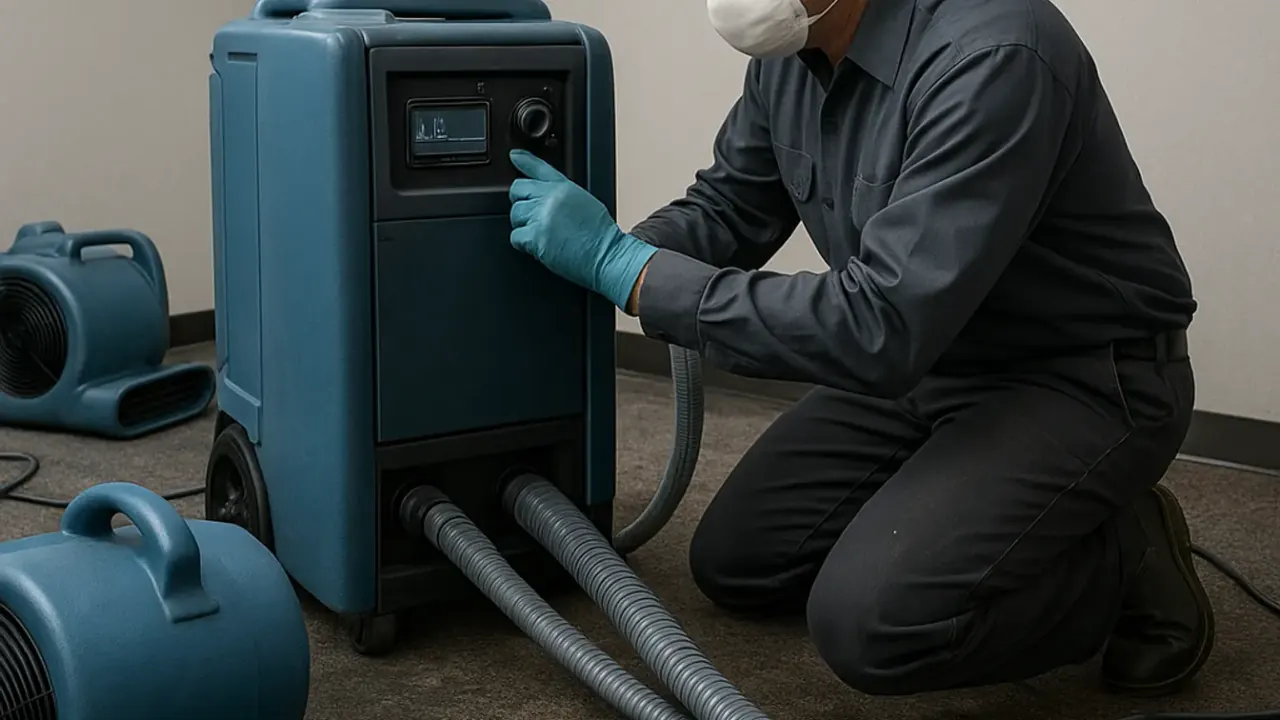
Circulates air around interleaved pages so surface moisture evaporates evenly and does not re-wet the stack.
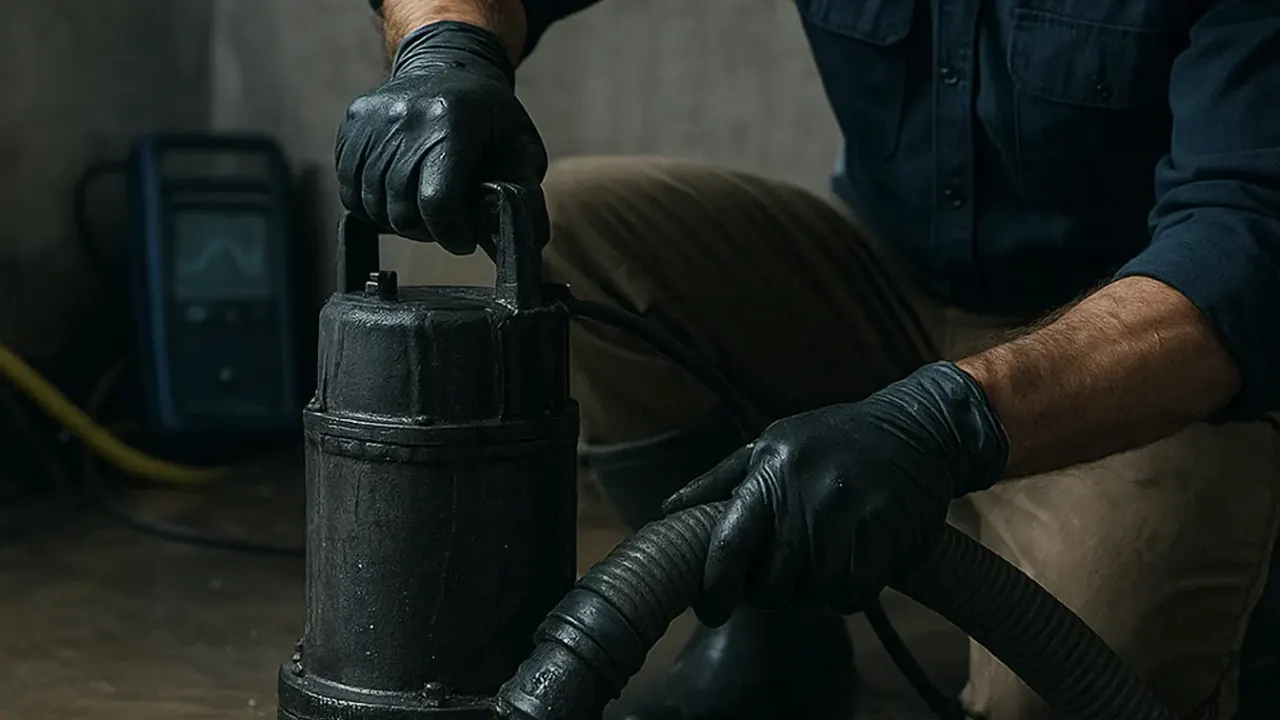
Logs temperature and relative humidity in the drying chamber every hour, giving us a written record for your insurance claim.
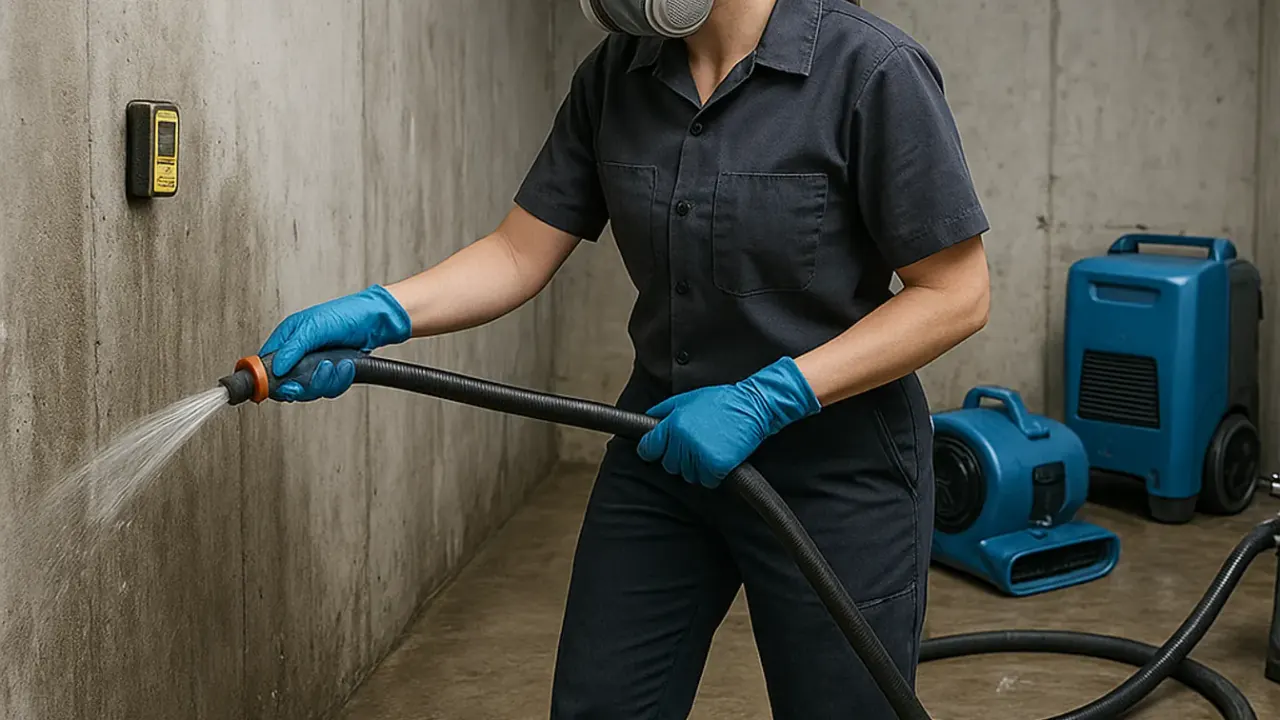
Inspects inside bound volumes and behind shelving without pulling the book apart, so we can see how deep the water went.
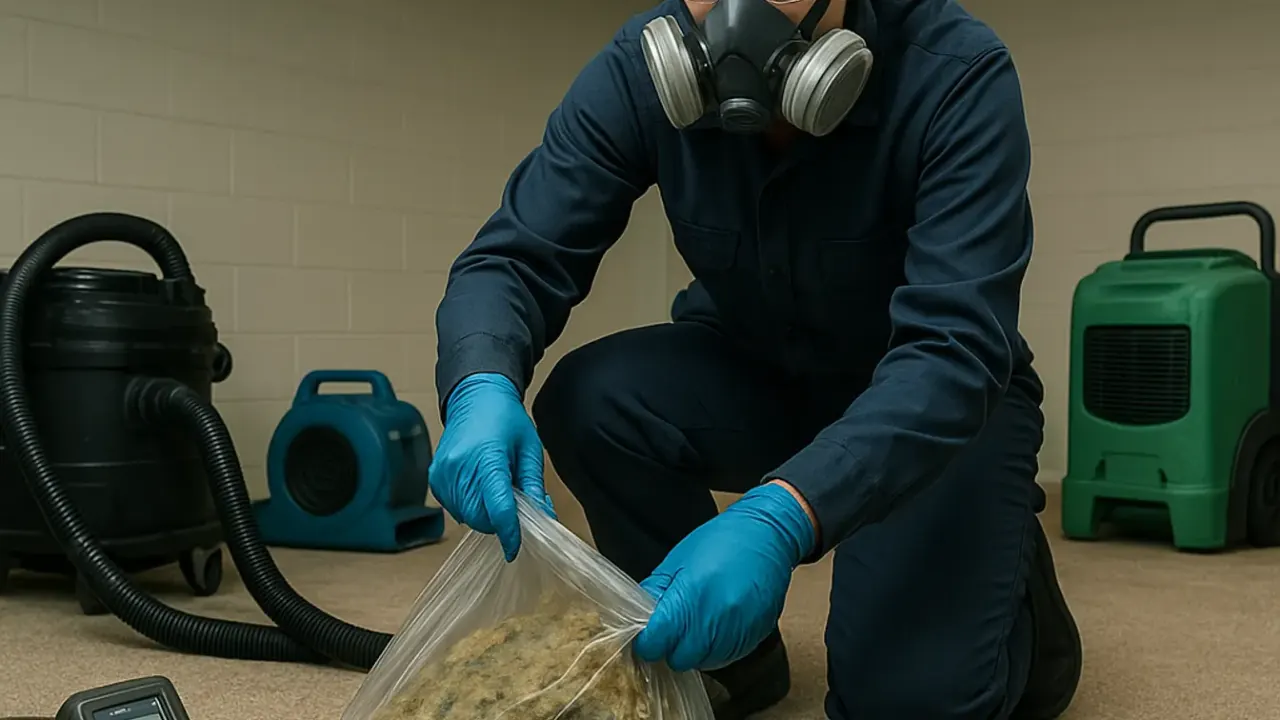
We freeze saturated documents, then lower the pressure so the ice turns directly into vapor. This is the standard method for bound books, coated paper, and photo albums because it avoids the swelling and ink bleed that heat drying causes.
We extract the water, pack out the boxes, interleave the pages, and freeze-dry the photo albums. Loose records go into vacuum drying, which returns them in 24 to 48 hours. Your records come back dry, readable, and mold-free, with a moisture log for the insurance claim.
We handle the category 3 cleanup, then treat the affected files as contaminated. Saturated documents go into freeze drying with antimicrobial handling, and we separate salvageable items from total losses. You get a clear inventory of what was saved and what was lost, plus documentation your adjuster can process.
We dry the structure, remove saturated drywall and carpet padding, and move the ledgers into the freeze dryer at -20 to -30 degrees Fahrenheit. Daily moisture readings track the progress. The ledgers keep their shape and binding, and the room is rebuilt with mold-resistant drywall so it stays dry.
We pull the cabinet apart, separate the wet pages, and run a desiccant dehumidifier with air movers for the smaller batch. A moisture meter check confirms when the paper is dry. Client files are back in the office in two days, and the storage room humidity is below 50 percent.
Chicopee's building stock is a big part of why document drying calls come in. The older mill-era buildings and finished basements along the Connecticut River flood when pipe bursts, sewage backups, and spring storm damage push water into storage rooms. Many of those basements have no vapor barrier, so humidity stays high even after the water is gone. We set up desiccant dehumidifiers and air movers to bring the room below 50 percent relative humidity before we return your documents, because paper will re-absorb moisture from the air. If you need emergency document drying and restoration in Chicopee MA after a storm, we stage crates in the truck and pack out the same visit. We also work with the Massachusetts HIC License and Massachusetts Mold Remediation License requirements that apply to older buildings, and we use EPA Lead-Safe practices when we cut into pre-1978 drywall near a records room.
A supply line let go above a finished basement office and dumped water onto two filing boxes and a shelf of photo albums. The bottom third of each box was saturated, and the albums had started to block together.
We interleaved every page, vacuum-dried the loose records in 36 hours, and freeze-dried the albums over five days. All 1,400 pages came back readable, and the photos separated cleanly with no ink bleed.
Keep the storage room below 50 percent relative humidity with a small dehumidifier, and store boxes on shelves at least 6 inches off the floor.
A storm drain backup pushed category 3 water into a below-grade records room, soaking 14 crates of client files and three bound ledgers. The water sat for about 10 hours before the office opened.
We extracted the water, disinfected the room, and packed out all 14 crates. Loose files were vacuum-dried in 48 hours, and the ledgers spent seven days in the freeze dryer. Every file was returned labeled and dry.
Install a backflow valve on the floor drain and keep client files in sealed plastic crates during storm season.
Wind-driven rain came through a broken window and soaked shelving, carpet, and about 600 pages of property records. The drywall behind the shelf was saturated and kept releasing moisture into the air.
We removed the wet drywall and carpet padding, dried the cavity, and ran air movers and a dehumidifier. The documents dried in 48 hours, and the room was rebuilt with mold-resistant drywall. Moisture readings held below 12 percent.
Check window seals each fall and keep a moisture meter on hand to spot rising humidity before it reaches the paper.
Water damage to paper is a timing problem. These are the situations we see most in Chicopee, and what happens when they are ignored.
We pack out the documents and move them into a controlled drying chamber the same day. Freeze drying stops mold before it starts and pulls water out through sublimation, so the pages separate cleanly. Mold growth starts on page edges within 48 to 72 hours, and foxing stains become permanent. Pages block together and cannot be separated without tearing.
We handle the sewage backup cleanup first, then treat affected documents as contaminated material. Saturated files go into freeze drying with antimicrobial handling, and we document which items are salvageable and which are not. Category 3 water carries bacteria that soak into paper and bindings. Even after drying, contaminated documents can be a health hazard if not treated.
We shut the line, extract standing water, and triage the paper stack from the bottom up. Interleaving and vacuum drying recover the loose pages in 24 to 48 hours, and we log moisture readings for your claim. A single burst pipe can dump 50 gallons in minutes. Loose pages wick water upward through the stack, and the bottom third of a box is usually saturated before anyone notices.
We dry the structure and the documents as one job. Saturated drywall and carpet padding come out, air movers and dehumidifiers run, and the documents stay in the drying chamber until the room humidity is stable. Wind-driven rain soaks shelves, carpet, and drywall. The drywall keeps releasing moisture into the air, which re-wets documents that were already drying.
Mold growth on wet paper begins within 48 to 72 hours. We freeze or vacuum-dry the documents before that window closes, then run HEPA air scrubbing in the drying room. If you search for affordable document recovery Chicopee, this timing is the single biggest factor in whether a file survives.
Deeds, tax returns, medical files, and family photographs cannot be reprinted. Our freeze-drying chamber pulls water out through sublimation, so bound ledgers and photo albums keep their shape. We have recovered everything from 1940s mill payroll books to modern mortgage packets.
Replacing a filing cabinet of business records can run thousands of dollars in staff time alone. Drying costs a fraction of that. We document moisture readings and photograph every stage, which gives your adjuster the evidence needed to process the claim faster.
A small batch of 200 to 300 loose pages can be vacuum-dried and returned in 24 to 48 hours. Larger archive jobs run five to seven days. We schedule pickup and delivery around your business hours so you are not waiting on us to reopen.
Clear records you can keep and share.
Daily readings from intake to release
Images of every crate before and after
Boxes rebuilt and returned to your address
Paper absorbs water fast, and mold starts within 48 to 72 hours. The drying method matters as much as the speed, because heat drying can bleed ink and warp bindings.
Wet pages fuse together into a block if they are not separated before drying. We place freezer paper between every page so they come apart cleanly.
A room above 50 percent relative humidity will re-wet dry paper. We check the storage area and tell you what to run to keep it stable.
Outside these areas? Call and ask - we may still be able to help. 4132848111
Most residential batches run $250 to $900 in 2026, depending on volume and drying method. A small box of loose pages might be $250 to $400. A full filing cabinet with bound ledgers that needs freeze drying can reach $900 or more. We give you a flat quote after the intake inspection, and we do not add line items mid-job.
Document recovery in Chicopee involves four things: stopping the water source, stabilizing the paper so it does not stick together, removing moisture through freeze drying or vacuum drying, and documenting the result for your records or insurer. We interleave pages, control humidity in the chamber, and check moisture content daily until the paper reads dry.
Loose pages usually dry in 24 to 48 hours. Bound books, photo albums, and dense archives take five to seven days in the freeze dryer. If the paper was wet for more than 72 hours before we arrived, add two to three days because mold remediation may be needed first. We give you a timeline at intake.
Most homeowner and commercial property policies cover document drying when the loss comes from a covered event like a pipe burst, storm damage, or sewage backup. We provide moisture logs, photos, and an itemized scope to support the claim. Check your deductible and coverage limit, then call us and we will document everything your adjuster needs.
Wet paper starts to mold in 48 hours. We answer the phone, dispatch a crate truck, and start the drying process the same day. One call gets your records out of the water and into a controlled chamber.
Call 413-284-8111 any time, day or night. We answer live and dispatch a crew immediately. For non-emergency questions, email info@giantrestorationpros.com or stop by our Chicopee office during business hours. Most Hampden County addresses see a technician within 60 to 90 minutes of your call.