Written scope
Clear list of what will be removed and dried
When a sewage backup floods your basement or bathroom, you need sewage backup cleanup Chicopee MA that starts now, not tomorrow. Our team handles sewage removal in Chicopee, disinfects every affected surface, and dries the space with commercial equipment. We work across Hampden County and know exactly how quickly contaminated water damages subfloors, drywall, and insulation.
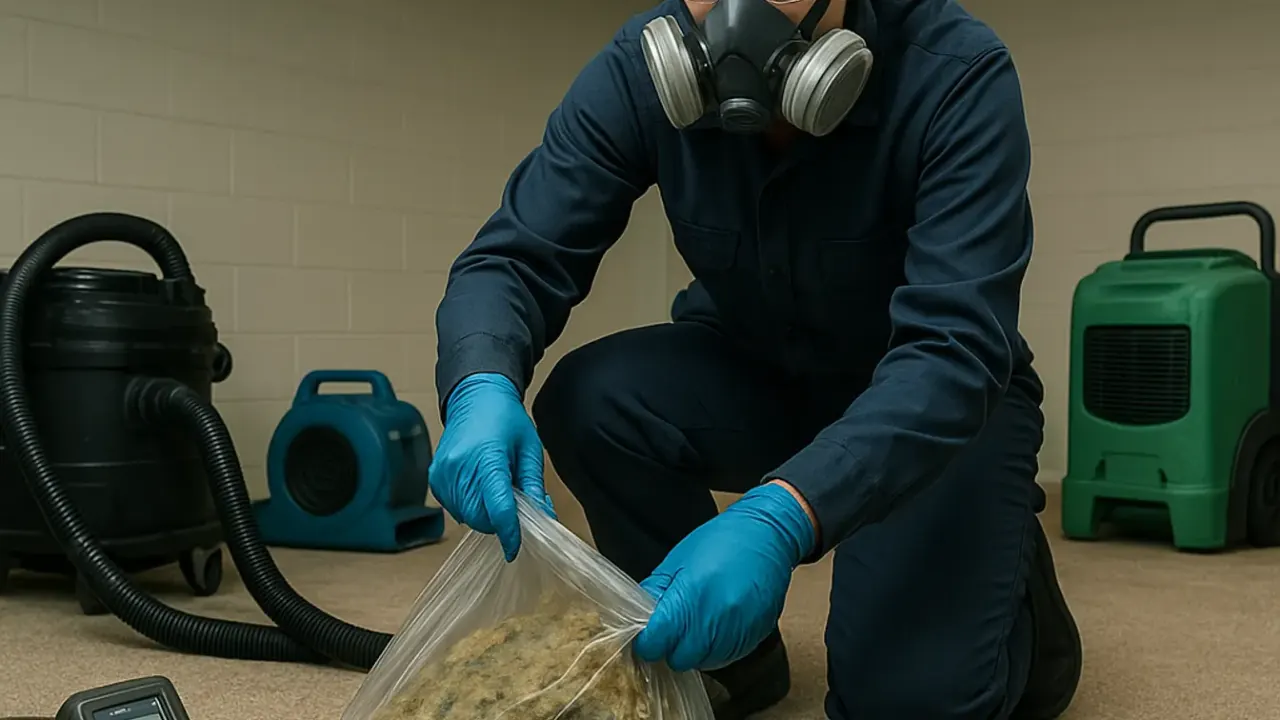
Every sewage backup job starts with a full inspection and a written scope. The core service covers extraction, removal of contaminated materials, sanitizing, and structural drying. Reconstruction like drywall and flooring replacement is available as a follow-up. Here is what is included in a standard cleanup.
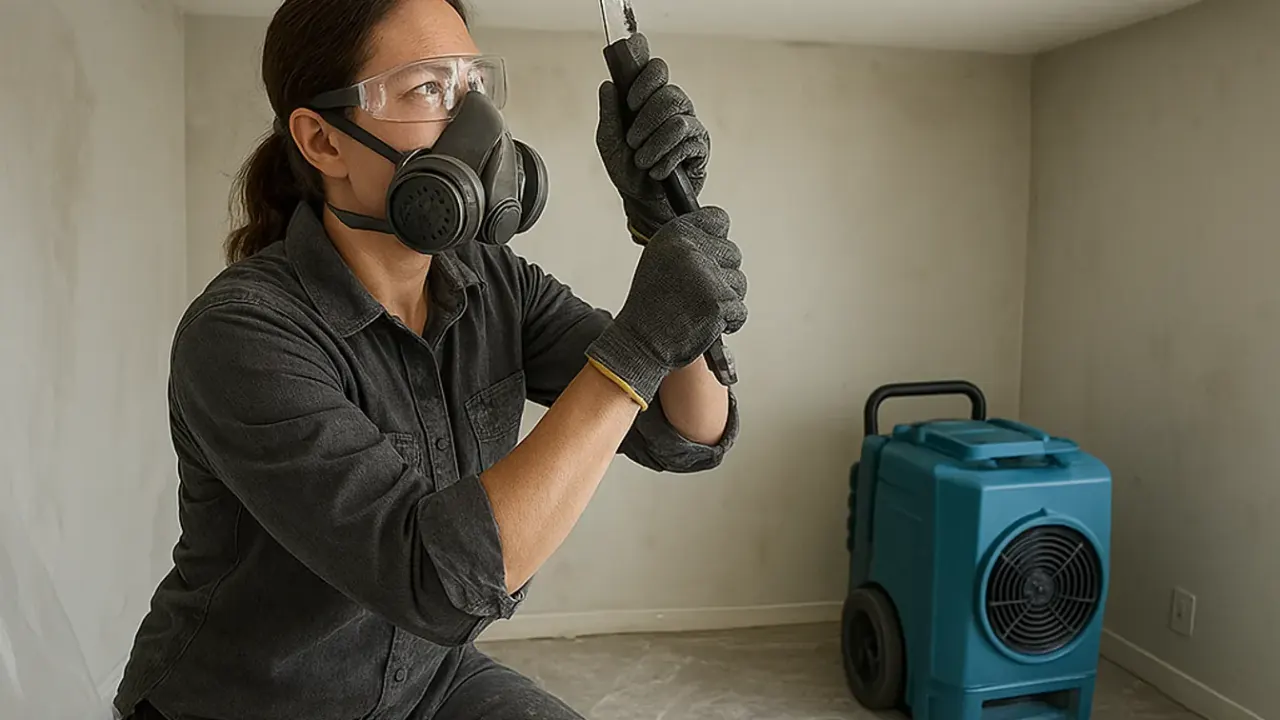
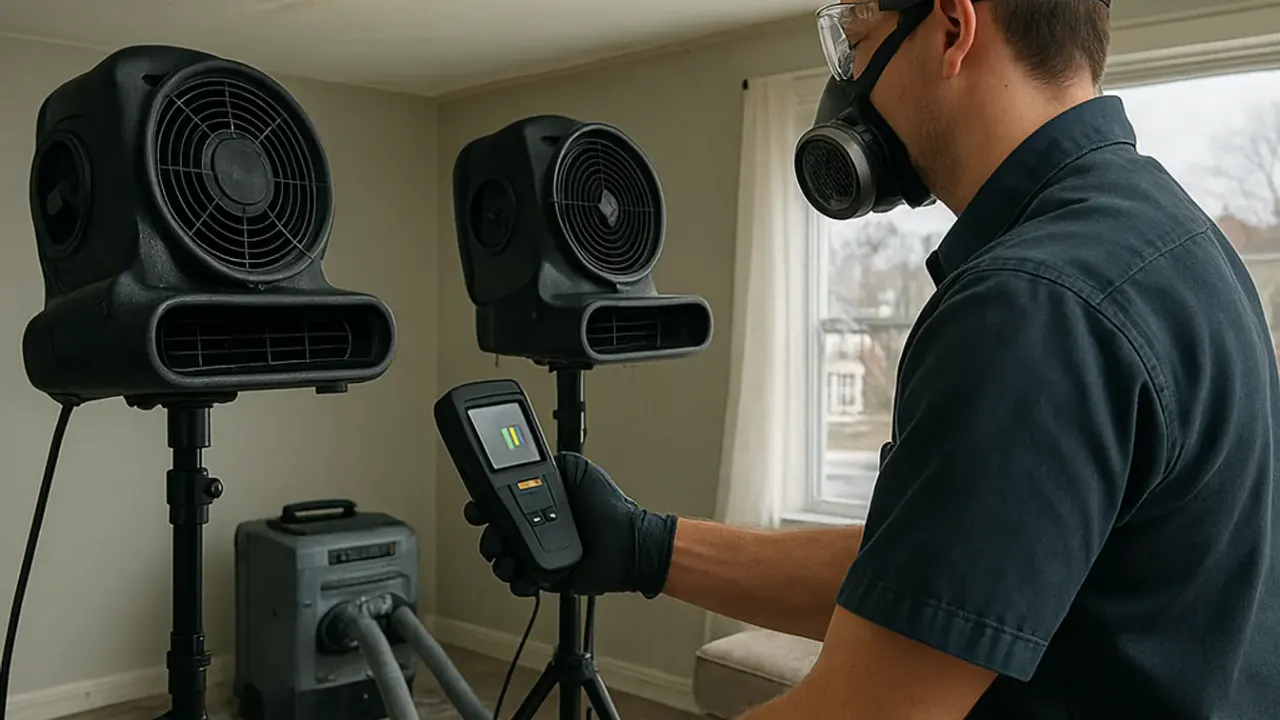
A sewage backup in your home is a health hazard that needs fast extraction and disinfection. We remove contaminated materials and dry the structure so mold does not take hold.
A sewage backup can shut down your business and trigger a health inspection. We work quickly to extract, disinfect, and dry so you can reopen.
Sewage backup cleanup Chicopee MA is the process of removing contaminated water, solid waste, and bacteria from a home or business, then sanitizing and drying every affected material. It is not a mop-and-bucket job. Raw sewage carries E. coli, hepatitis, and other pathogens that soak into drywall, carpet padding, and subfloor within hours. We extract the waste with a water extraction unit, test moisture levels with a moisture meter and hygrometer, and remove any porous material that cannot be saved.
Chicopee's older housing stock, especially in neighborhoods like Willimansett and Aldenville, still has plenty of clay tile and cast iron drain lines that crack or root-infiltrate over time. When those lines fail, sewage backs up into basements and first-floor bathrooms. We handle emergency sewage backup cleanup in Chicopee MA for those exact situations, and we also take on smaller jobs like a single backed-up floor drain. If you need sewage removal near me Chicopee, we are set up to respond the same day.
Sewage is a category 3 loss; we remove it, disinfect, and dry the structure.
Every job follows the same sequence so nothing gets missed. Here is what you can expect from the first phone call to the final walkthrough.
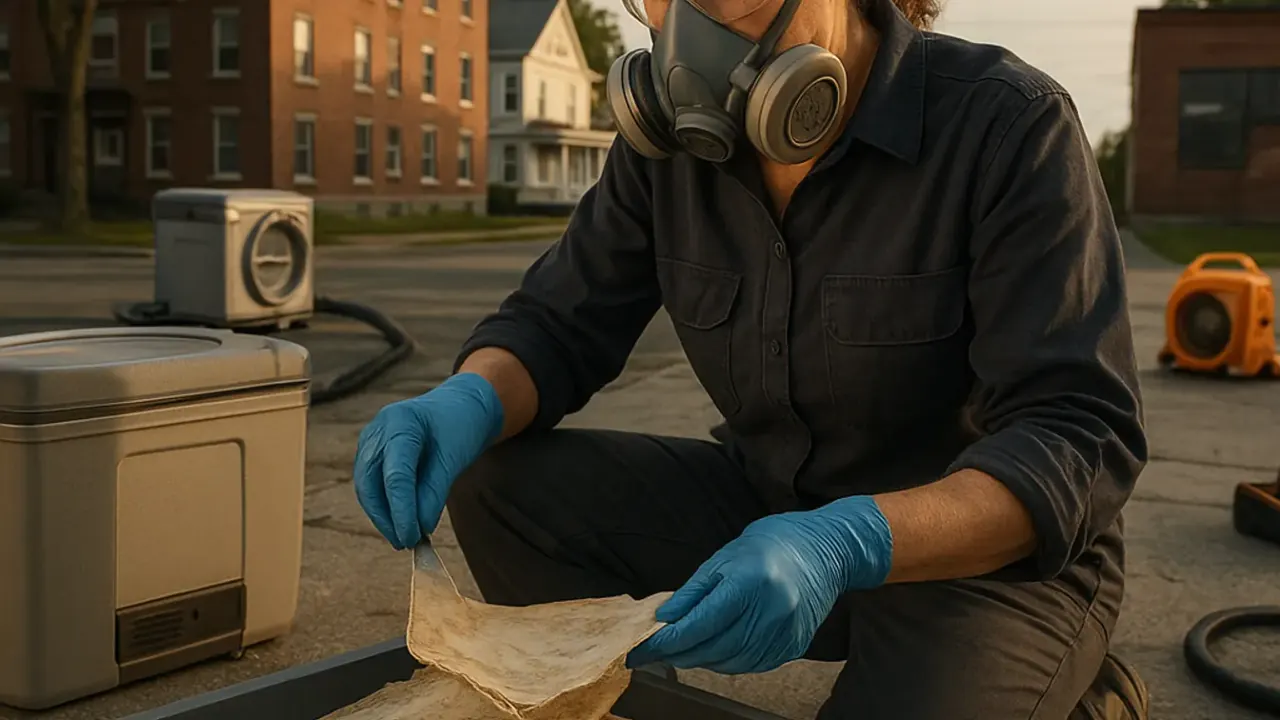
You call, we ask a few questions about where the backup is and how far it spread. We schedule a same-day visit and tell you to keep everyone out of the affected area. If the source is still running, we walk you through shutting off the water or calling a plumber first.
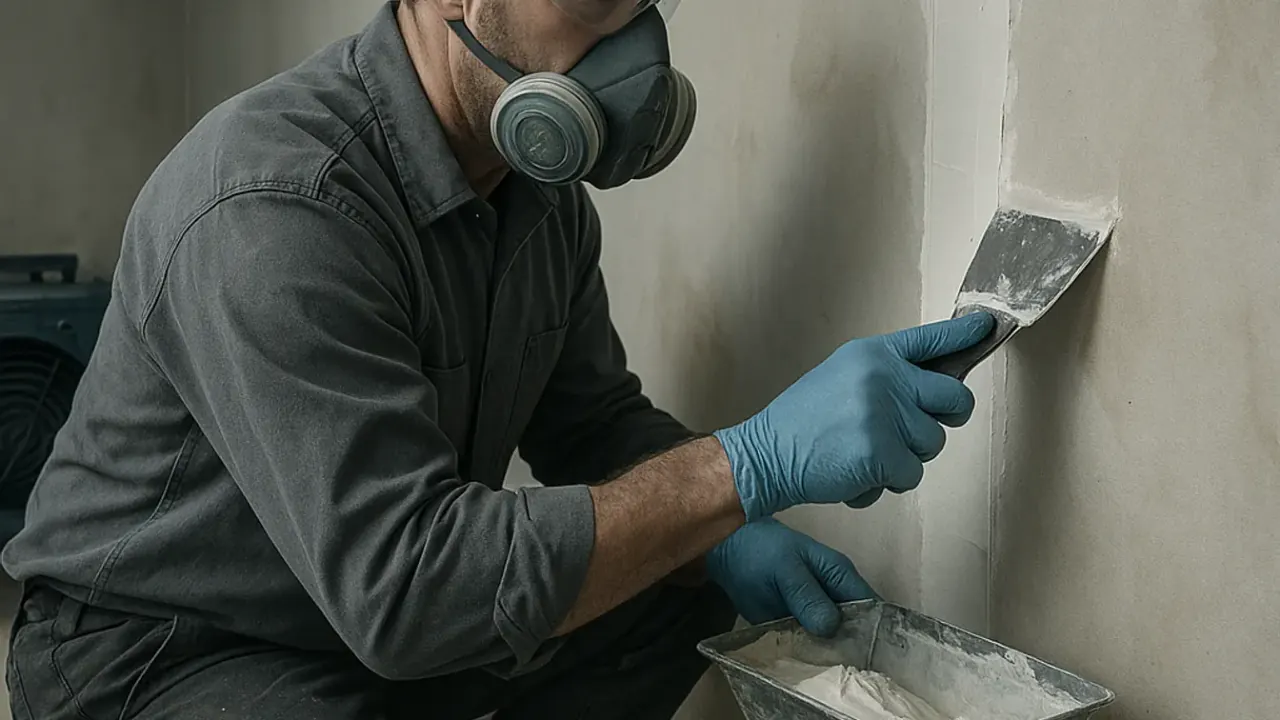
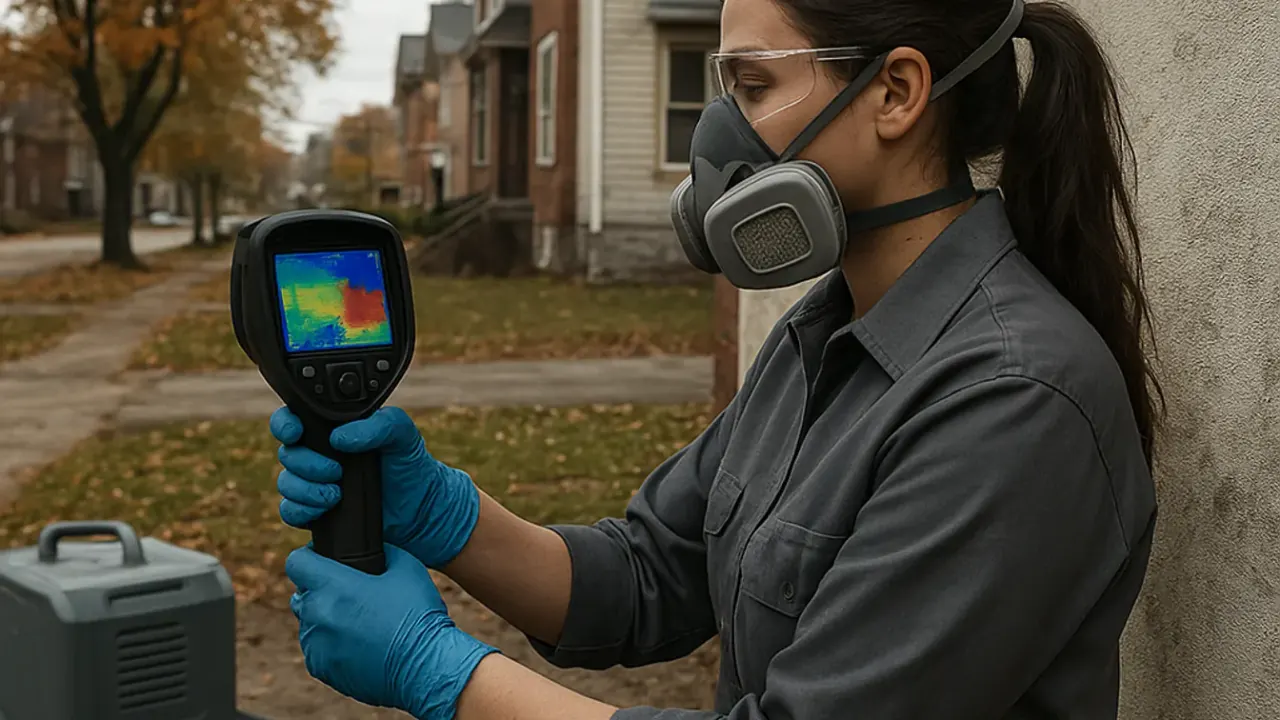
On arrival we inspect the source, check for standing water with a moisture meter, and use a thermal imaging camera to find hidden saturation behind walls. We identify what is contaminated and what can be saved. You get a clear scope before we start extraction.
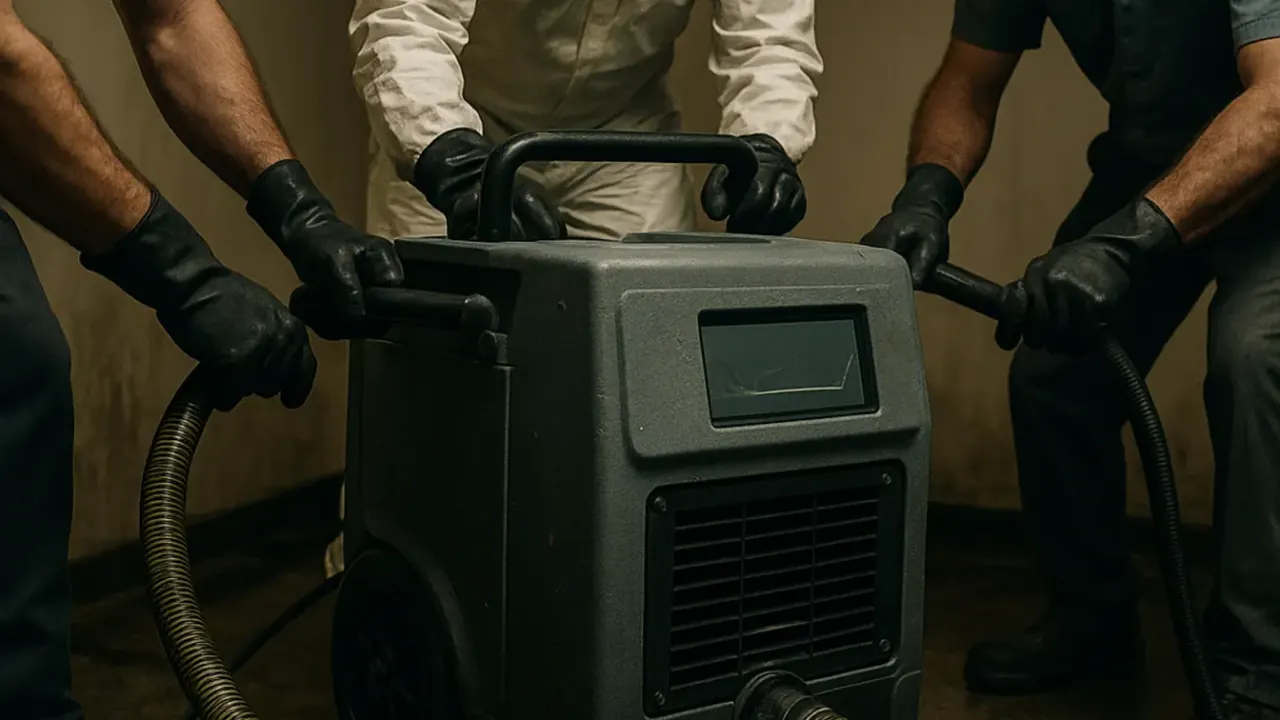
We pull standing sewage with a water extraction unit and a Shop-Vac for tight spots. Saturated carpet padding, insulation, and drywall get cut out and bagged. Baseboards are removed where sewage has wicked up. This usually takes two to four hours depending on the size of the area.
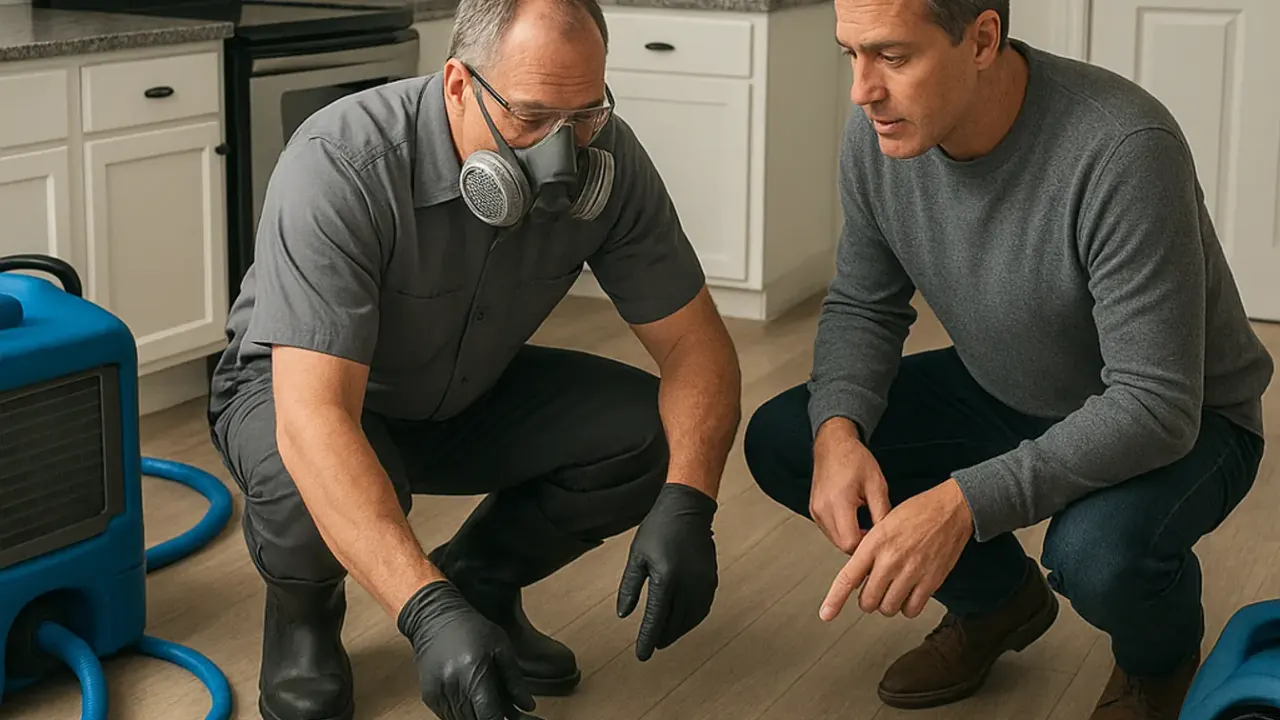
We apply disinfectant to all affected surfaces, then set Dri-Eaz dehumidifiers and air movers. Drying typically runs two to four days. We check moisture readings daily and adjust equipment until the structure is dry. A vapor barrier may go up to protect unaffected rooms.
We remove equipment, take final moisture readings, and walk you through the work. You get photos and a summary of what was removed and what was dried. If reconstruction is needed, we can repair drywall and baseboards as a follow-up.
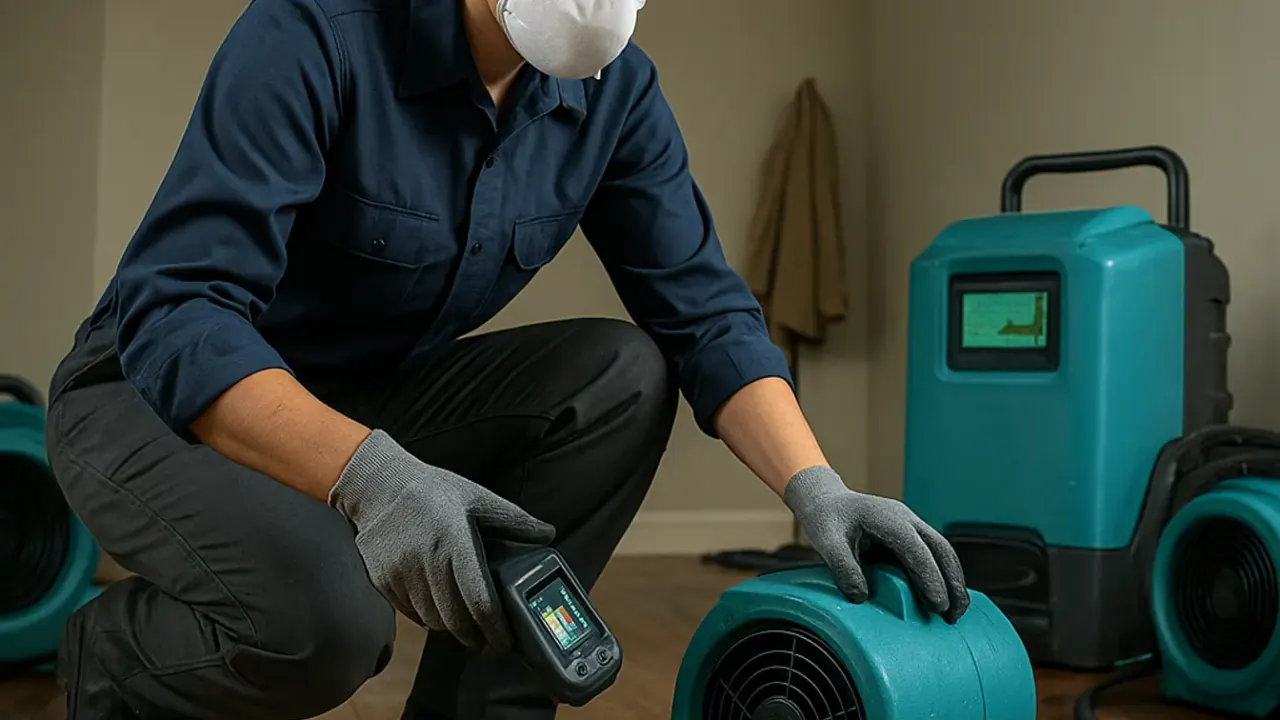
Pulls standing sewage and contaminated water from floors and carpets quickly. Truck-mounted and portable units handle everything from a small bathroom to a full basement.
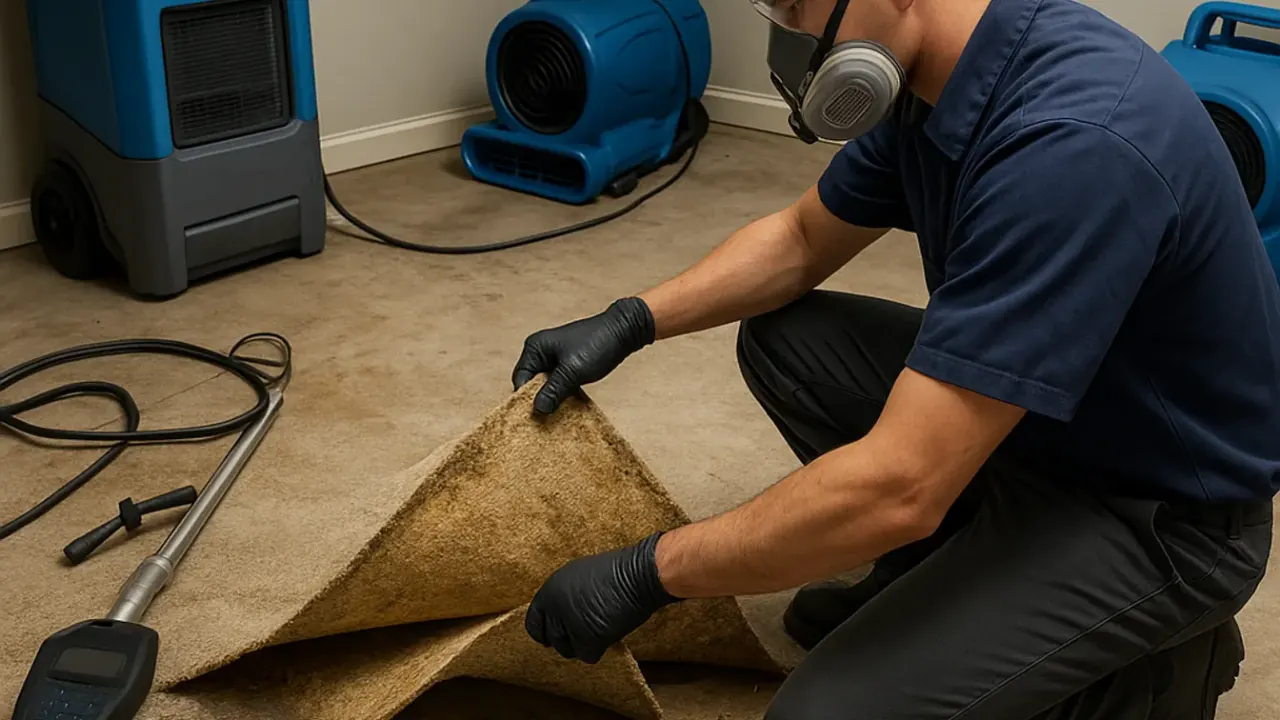
Measures moisture content in drywall, wood, and subfloor. We use readings to decide what can be dried and when the structure is actually dry.
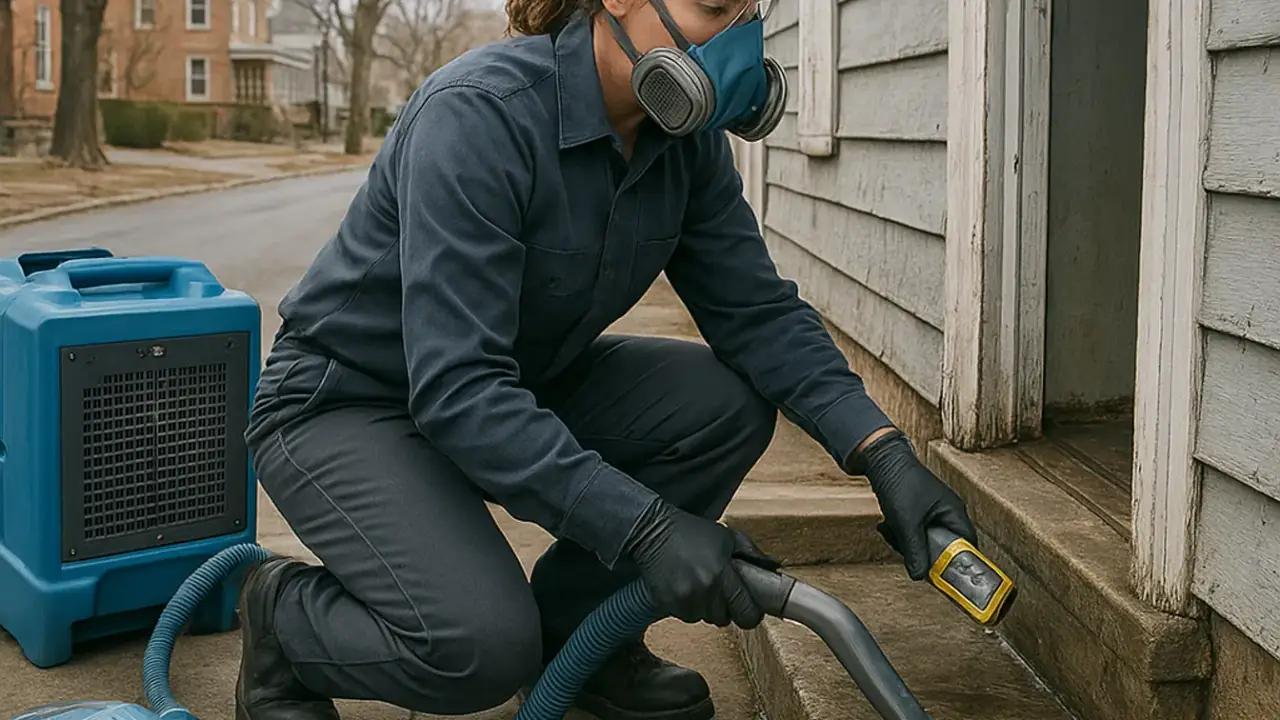
Finds hidden moisture behind walls and under floors without opening them up. It helps us locate saturation that a visual inspection would miss.
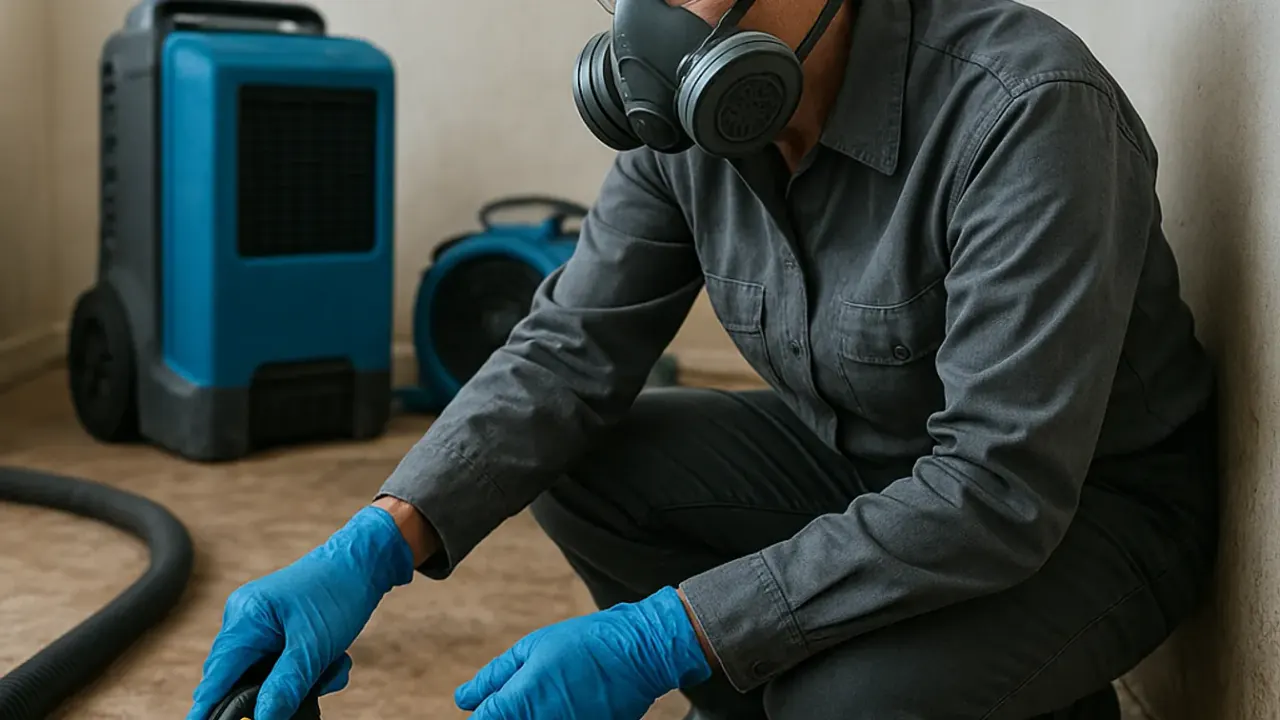
Lets us look inside wall cavities to check for contamination and moisture. We use it to confirm that insulation and framing are clean and dry.
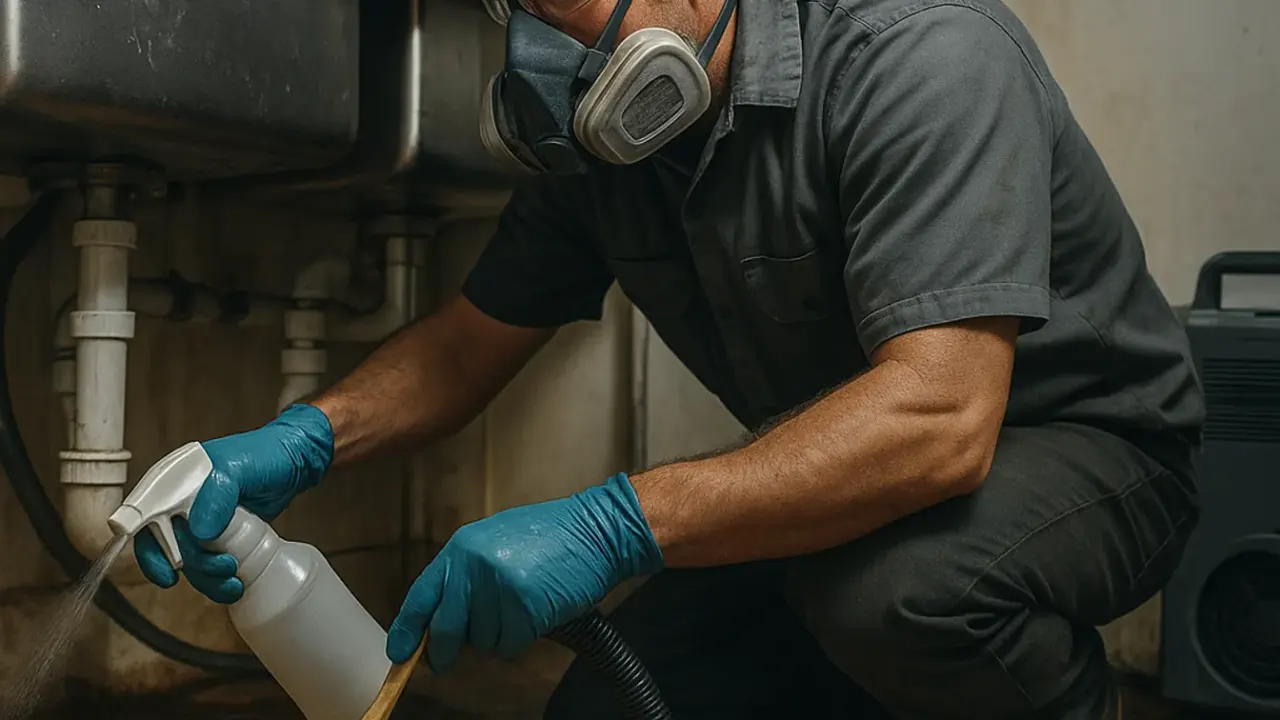
Pull moisture out of the air and materials. These units run continuously during the drying phase to bring the structure back to normal moisture levels.
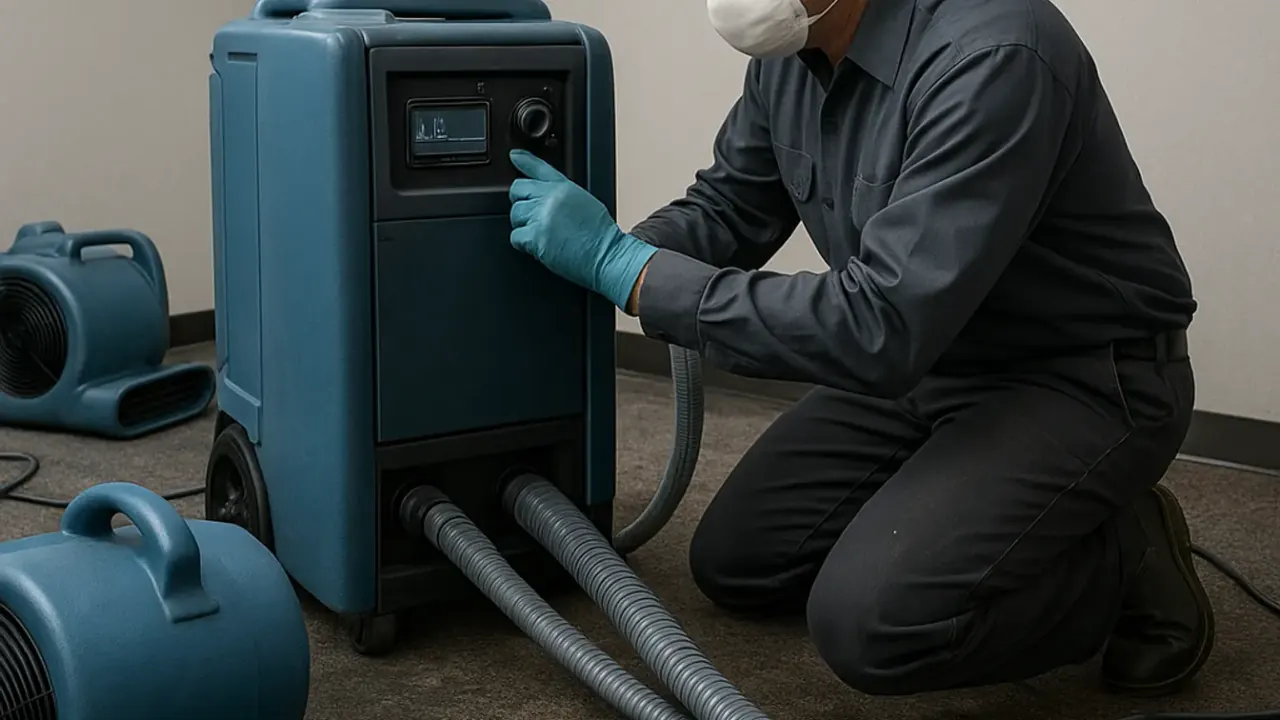
Direct airflow across wet surfaces to speed evaporation. We position them to dry walls, floors, and framing evenly.
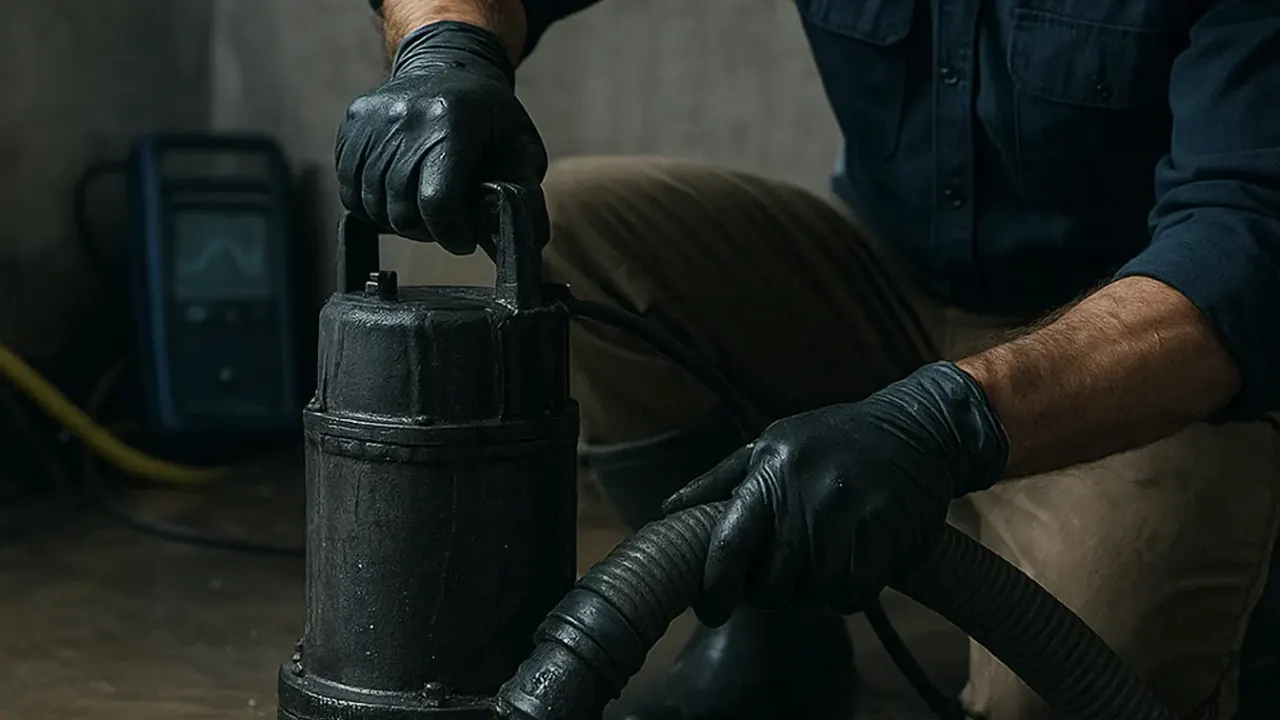
Used for cutting out drywall, removing baseboards, and making repairs. Reliable cordless tools keep the job moving without downtime.
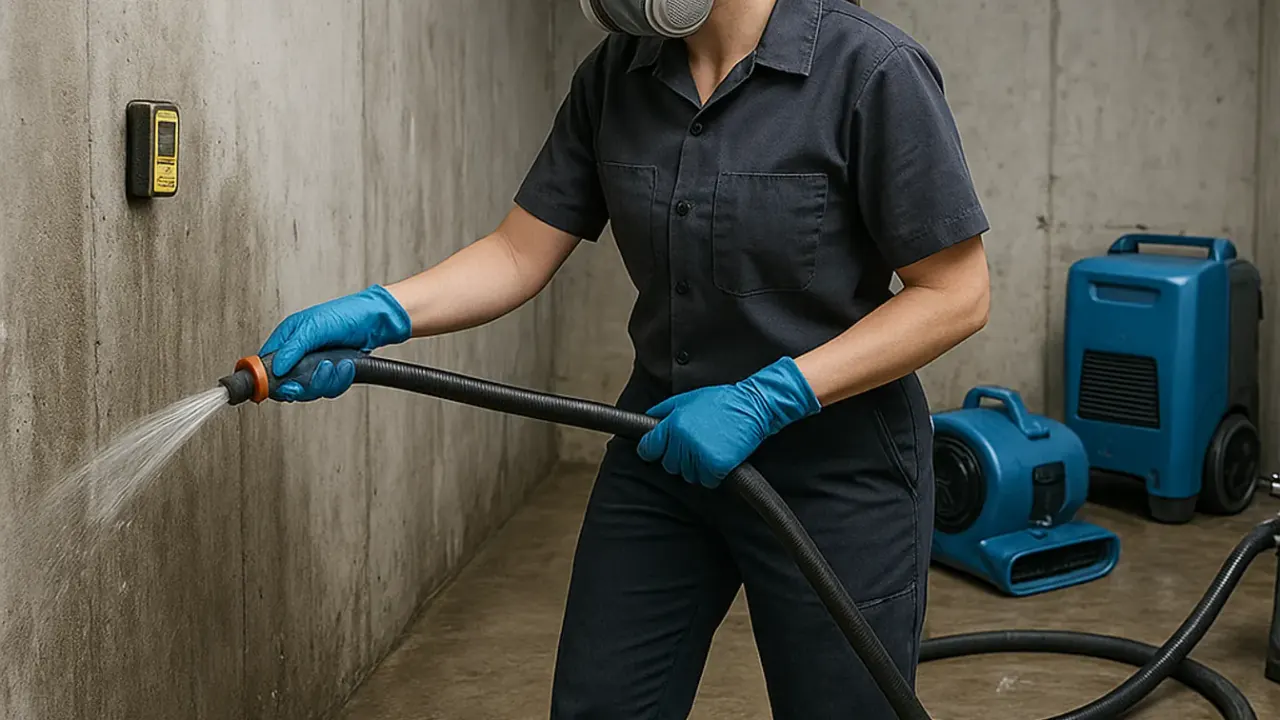
We follow IICRC Water Restoration Technician and Applied Structural Drying standards to set up drying equipment and verify moisture levels. This is the industry standard for drying a structure after a category 3 water loss.
We extract the standing water, remove any contaminated flooring or baseboards, disinfect the area, and set drying equipment. We also check the drain line and can refer a plumber if the issue is in the lateral. Your basement or utility room is dry, sanitized, and safe to use again, usually within three to four days.
We pull the toilet if needed, extract the water, remove saturated flooring and baseboards, and disinfect the subfloor. Drying equipment runs until moisture readings are normal. The bathroom is clean and dry, and any flooring or baseboard repair is handled as a follow-up.
We extract the sewage, cut out wet carpet and padding, remove contaminated drywall, and disinfect the framing. Dehumidifiers and air movers dry the space over several days. The basement is restored to a dry, clean condition, and we document everything for your insurance claim.
We treat it as a category 3 water loss, extract the water, remove contaminated materials, and disinfect all surfaces. Drying equipment runs until the structure is dry. The basement is safe and dry, and we can replace the sump pump or refer a plumber to install a new one.
Chicopee has a mix of older homes and commercial buildings, and the plumbing reflects that. Many houses in neighborhoods like Willimansett, Aldenville, and Chicopee Falls still have clay tile or cast iron drain lines that crack, shift, or get infiltrated by roots. When those lines fail, sewage backs up into basements and first-floor bathrooms. Heavy rain can also overwhelm the combined sewer system and push water back through floor drains. We handle both situations. Our crews know the building stock and the common failure points, so we can find the source and start extraction quickly. If you need emergency sewage backup cleanup in Chicopee MA, call and we will schedule a same-day visit. We also serve surrounding Hampden County communities and work in ZIP codes 01020, 01022, 01013, 01014, and 01021.
A floor drain backed up during a storm and left two inches of sewage across a finished basement. Carpet, padding, and the bottom two feet of drywall were saturated. The homeowner called us the same morning.
We extracted the water, removed the carpet, padding, and contaminated drywall, and disinfected the subfloor and framing. Drying equipment ran for three days. Final moisture readings were normal, and the basement was clean and dry.
We recommended a backwater valve on the floor drain to prevent future backups. The homeowner also scheduled a drain line inspection with a plumber.
A toilet supply line failed and sewage soaked into the bathroom floor and the hallway carpet. The subfloor was wet and the baseboards had absorbed contaminated water. The family stayed out of the affected rooms.
We pulled the toilet, extracted the water, removed the saturated carpet and baseboards, and disinfected the subfloor. Air movers and a dehumidifier dried the space in two days. We replaced the baseboards and reinstalled the toilet.
We suggested replacing the old supply line with a braided stainless steel line and checking the shut-off valve annually.
A restaurant had a sewer line backup that released waste water into a storage area and part of the kitchen. The floor was covered, and the smell was strong. They needed to reopen quickly.
We extracted the water, removed contaminated materials, and disinfected all affected surfaces. Drying equipment ran for two days. The health inspector approved the space, and the restaurant reopened within four days.
We recommended a professional drain cleaning schedule and a grease trap maintenance plan to reduce the risk of another backup.
Sewage backups cause more than a bad smell. They create health hazards, damage structural materials, and can lead to mold if the water is not removed and the space is not dried properly. Here are the most common problems we solve.
We remove and bag the saturated carpet and padding, then treat the subfloor with disinfectant. We dry the subfloor with air movers and dehumidifiers and check moisture readings before any new flooring goes down. Carpet padding acts like a sponge and holds contaminated water against the subfloor, which can lead to mold growth and structural rot within days.
We use a thermal imaging camera and boroscope to find hidden saturation. Contaminated insulation and drywall get removed, and we dry the framing with directed air movers until moisture readings return to normal. Sewage wicks up inside wall cavities and soaks insulation and framing. If it is not found and dried, mold can grow inside the wall where you cannot see it.
We locate the source, extract and remove all contaminated material, and apply disinfectant to every affected surface. If the odor returns, it usually means the drain line needs a plumber, and we can refer one. The smell of sewage lingers long after the visible water is gone, and it is a sign that contamination remains in the structure or the drain line.
We dry the structure fast and remove materials that cannot be saved. If mold is already present, we follow Massachusetts Mold Remediation License practices to remove it and treat the area. Mold can start growing on wet drywall and framing in 24 to 48 hours. Once it takes hold, it spreads and can affect indoor air quality.
Sewage wicks into baseboards, drywall, and carpet padding within the first hour. We build containment with plastic sheeting and negative air pressure so contamination does not migrate to clean rooms. That one step often saves thousands in secondary damage.
We apply EPA-registered disinfectants to every affected surface after extraction. Porous materials like carpet padding and saturated drywall get removed and bagged. We do not spray over sewage and call it clean. We verify with a moisture meter and, when needed, a boroscope inside wall cavities.
Mold can start growing on wet drywall in 24 to 48 hours. We place Dri-Eaz and Phoenix Restoration Equipment dehumidifiers and air movers to pull moisture out of the structure. A hygrometer reading tells us when the space is actually dry, not just dry to the touch.
We photograph every affected area, log moisture readings, and note what was removed. That file supports your insurance claim and proves the scope of the loss. Most Chicopee policies cover sudden sewage backups when the damage is documented properly.
Clear records you can keep and share.
Clear list of what will be removed and dried
Images of affected areas for your insurance claim
Daily readings showing the drying progress
Sewage is classified as category 3 water, which means it contains harmful bacteria and pathogens. A clean water leak can often be dried in place, but sewage contamination requires removal and disinfection.
Sewage carries bacteria, viruses, and parasites that pose a health risk. Porous materials that absorb it cannot be reliably cleaned and must be removed.
You cannot dry your way out of a sewage backup. Contaminated carpet, padding, insulation, and drywall must be cut out and bagged before drying equipment goes in.
Outside these areas? Call and ask - we may still be able to help. 4132848111
Most residential sewage backup cleanup jobs in Chicopee run $1,200 to $4,500 in 2026, depending on the size of the affected area and how much material must be removed. A small bathroom backup may land near the low end. A finished basement with carpet, drywall, and insulation pushes toward the high end. We give you a written scope and price before work begins.
Sewage removal in Chicopee involves extracting standing waste water, bagging and disposing of contaminated porous materials, disinfecting all affected surfaces, and drying the structure with commercial dehumidifiers and air movers. We also check hidden cavities with a boroscope and moisture meter. The goal is to remove the contamination, not just dry it in place.
Extraction and removal usually take two to four hours on site. Drying runs two to four days depending on how much water soaked into the structure. We check moisture readings daily and remove equipment only when the space is dry. You can usually use the affected area again once drying is complete and any repairs are finished.
Many Chicopee homeowner policies cover sudden sewage backups, but coverage depends on your specific policy and whether you added a sewer backup rider. We document the loss with photos, moisture readings, and a written scope to support your claim. We can speak with your adjuster directly and provide whatever they need to process the claim.
Sewage in your home is a health emergency. Call Giant Restoration Pros at 413-284-8111 for same-day sewage backup cleanup Chicopee MA. We extract, sanitize, and dry so you can get your home back.
Call 413-284-8111 any time, day or night. We answer live and dispatch a crew immediately. For non-emergency questions, email info@giantrestorationpros.com or stop by our Chicopee office during business hours. Most Hampden County addresses see a technician within 60 to 90 minutes of your call.